





Autumn outfits: The secret to elegant style
Temperature changes in autumn call for autumn outfits that combine comfort with a polished appearance, and the balance between these two is not achieved by randomly adding more clothes. Essentially, a successful autumn outfit is built through functional layers, where each piece has a clear and visible role. Whether we are talking about autumn office outfits for days spent at the office, elegant autumn outfits for events, or casual combinations for the weekend, the principle remains the same: smart layering makes the difference. In this article, I offer ideas for autumn outfits suitable for various contexts, including rainy days, as well as solutions that work for autumn outfits 2026, without rigid rules or trends presented as obligations.
How to properly build a layered outfit

The base layer: the invisible foundation
The first layer sits directly against the skin and determines the comfort of the entire outfit. A thin T-shirt, a simple bodysuit, or a cotton turtleneck forms the base, which must be breathable and allow free movement. This layer retains its purpose even if you remove the other pieces throughout the day, so choose comfortable-to-the-touch materials and cuts that do not distort the silhouette. A fine shirt can work as a base layer when worn under a sweater or blazer, and its length influences the final proportions of the outfit.
The intermediate layer: balancing comfort and style
The second layer adds warmth and defines the visual appearance of the combination. A cardigan, a wool sweater, or a structured blazer absorbs moisture from the base layer and insulates the body without restricting mobility. Materials such as fleece, merino wool, or cashmere dry quickly and maintain the optimal temperature. Specifically, the intermediate layer should be thin enough to allow a coat or jacket to be added, but substantial enough to be worn on its own when the temperature rises.
The outer layer: first impressions
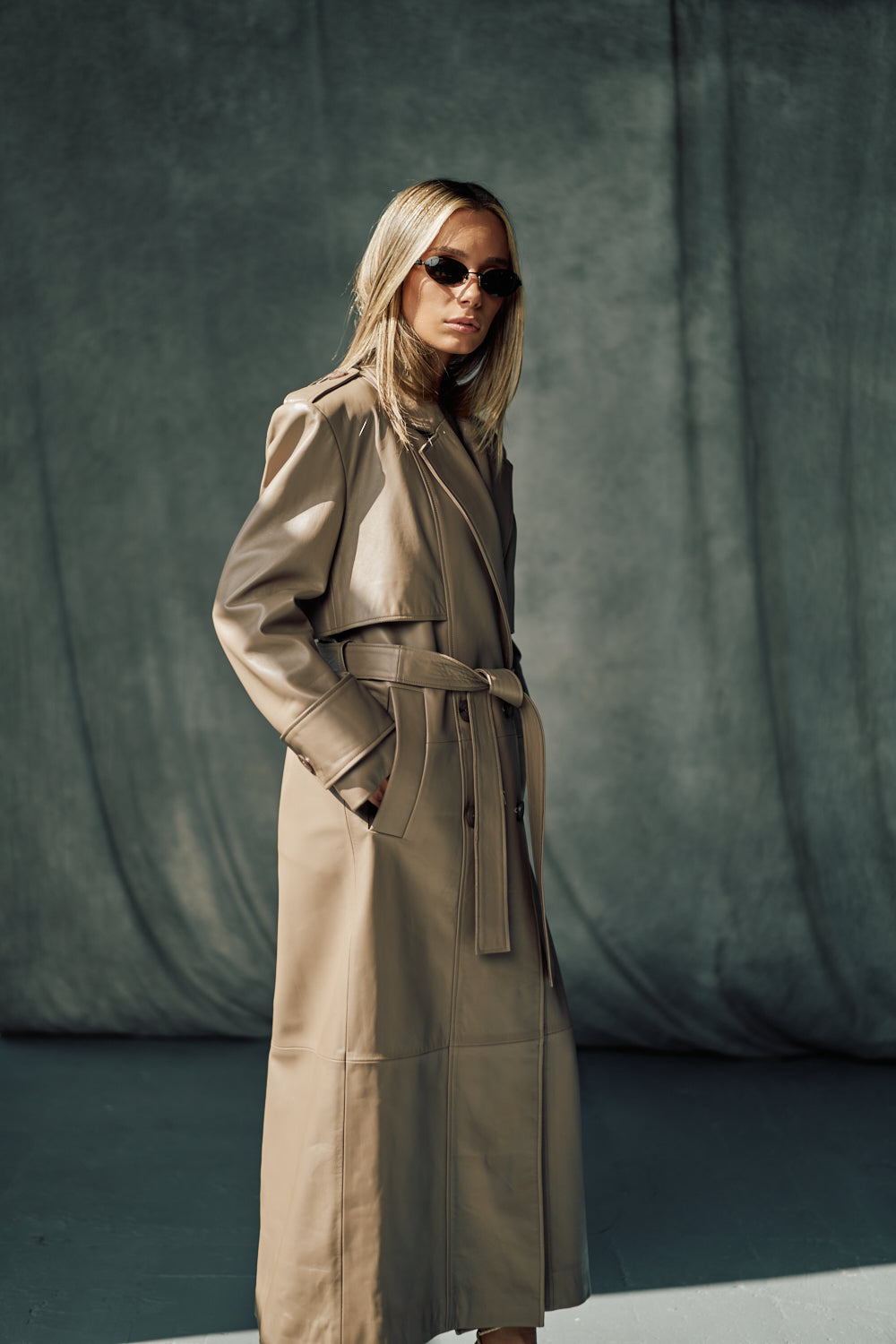
The outer layer protects you from wind, rain, and cold, while its appearance influences the perception of the entire outfit. A wool coat, a leather jacket or a thick trench coat completes the combination and makes it possible to adapt the outfit to the weather conditions. This layer should be waterproof or water-resistant, breathable to remove moisture from the inside, and roomy enough not to compress the layers underneath. The coat's cut, length, and color influence how the outfit looks as a whole.
How to balance lengths and volumes
The proportions of the layers determine whether an outfit looks balanced or careless. A longer shirt worn under a cropped sweater creates visual dynamism, while an oversized coat requires finer layers underneath to avoid adding excessive volume. Combine relaxed pieces with structured ones to create contrast, and avoid layering several thick materials that restrict movement. Each layer should be visible or have a clear function so that the outfit remains functional regardless of how many pieces you remove throughout the day.
The essential pieces that transform your fall wardrobe

A functional wardrobe is built from pieces that can be combined with one another and last for several seasons. Essentially, these pieces form the foundation for most combinations for fall 2026 outfits.
The classic coat for elegant fall outfits
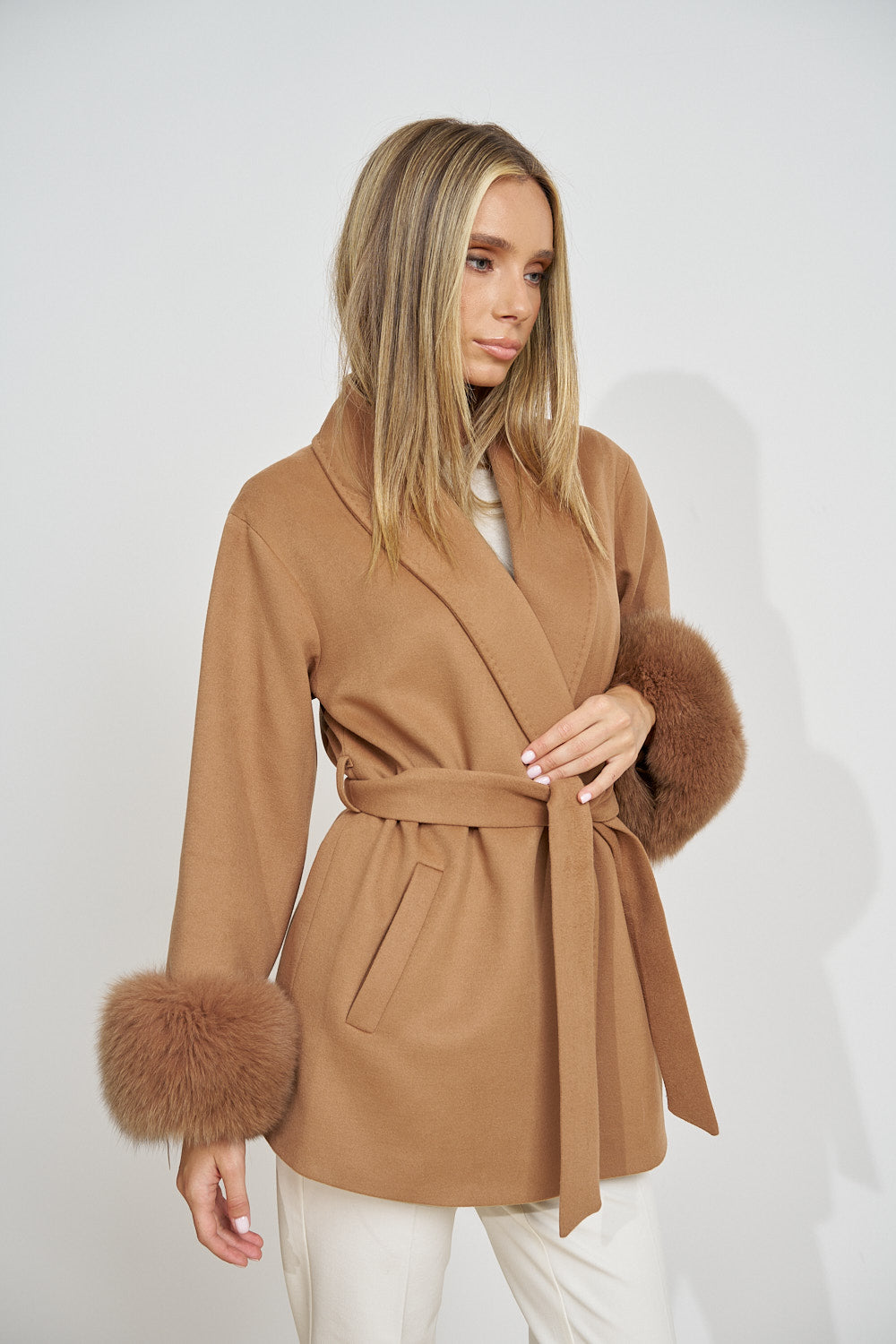
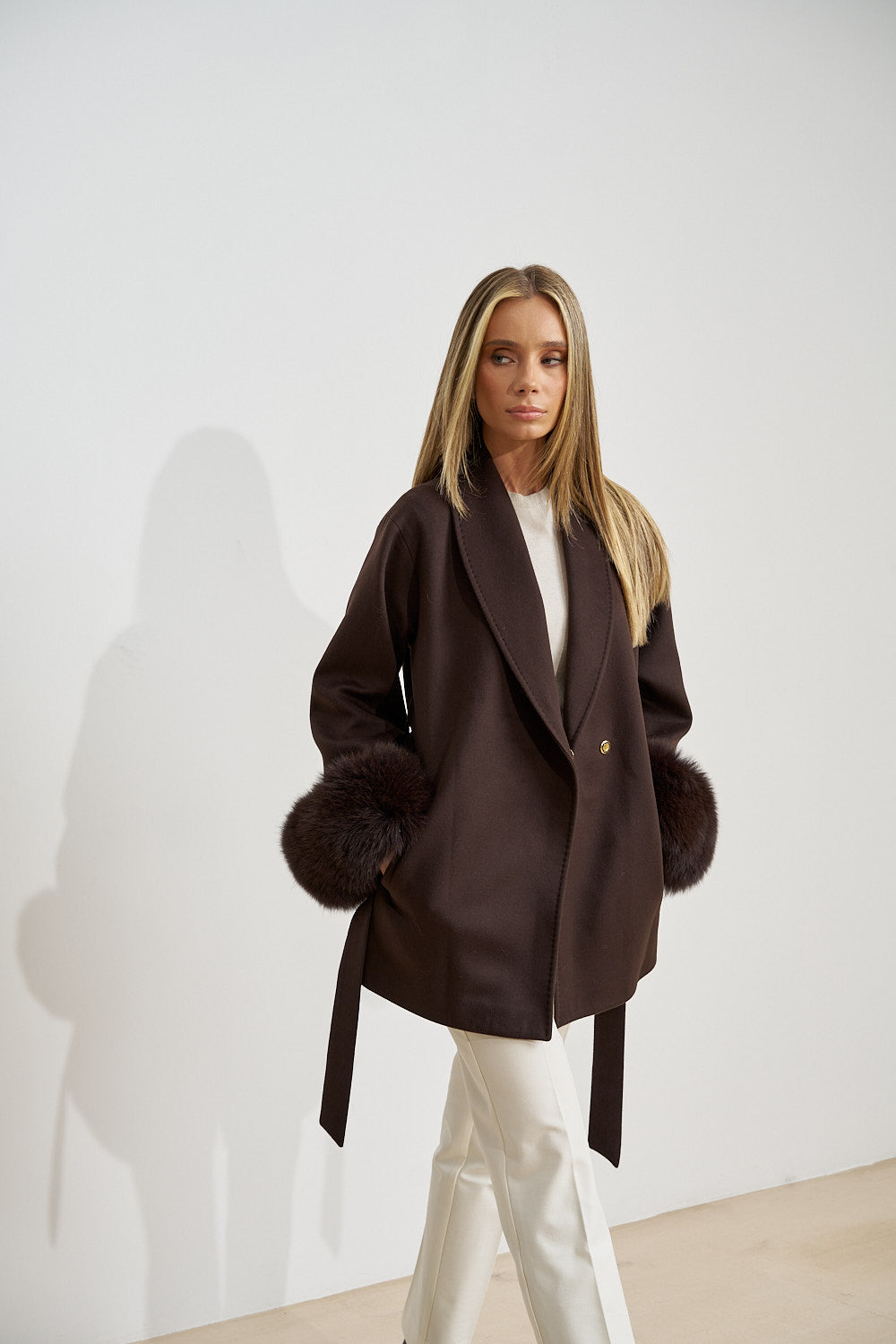
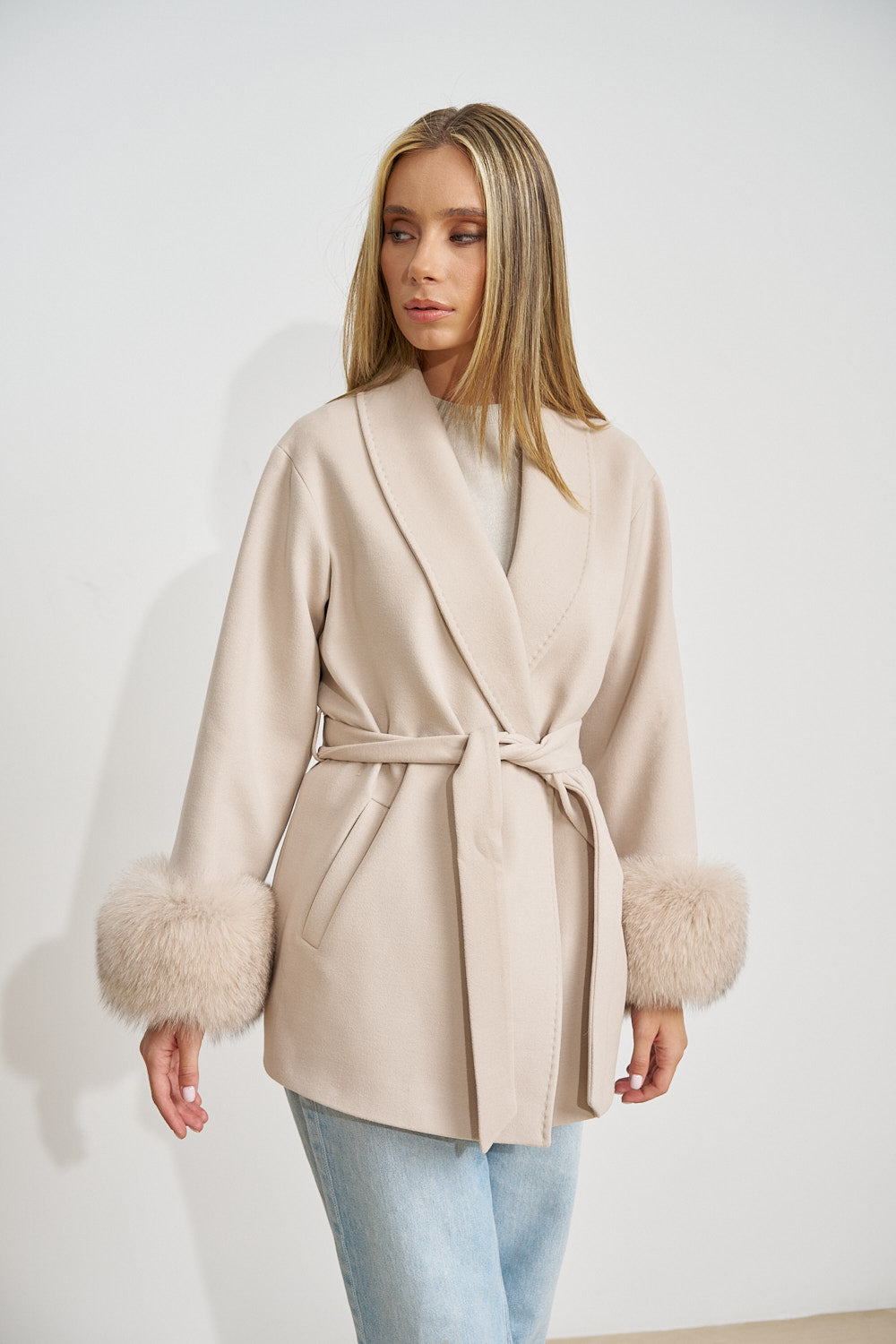
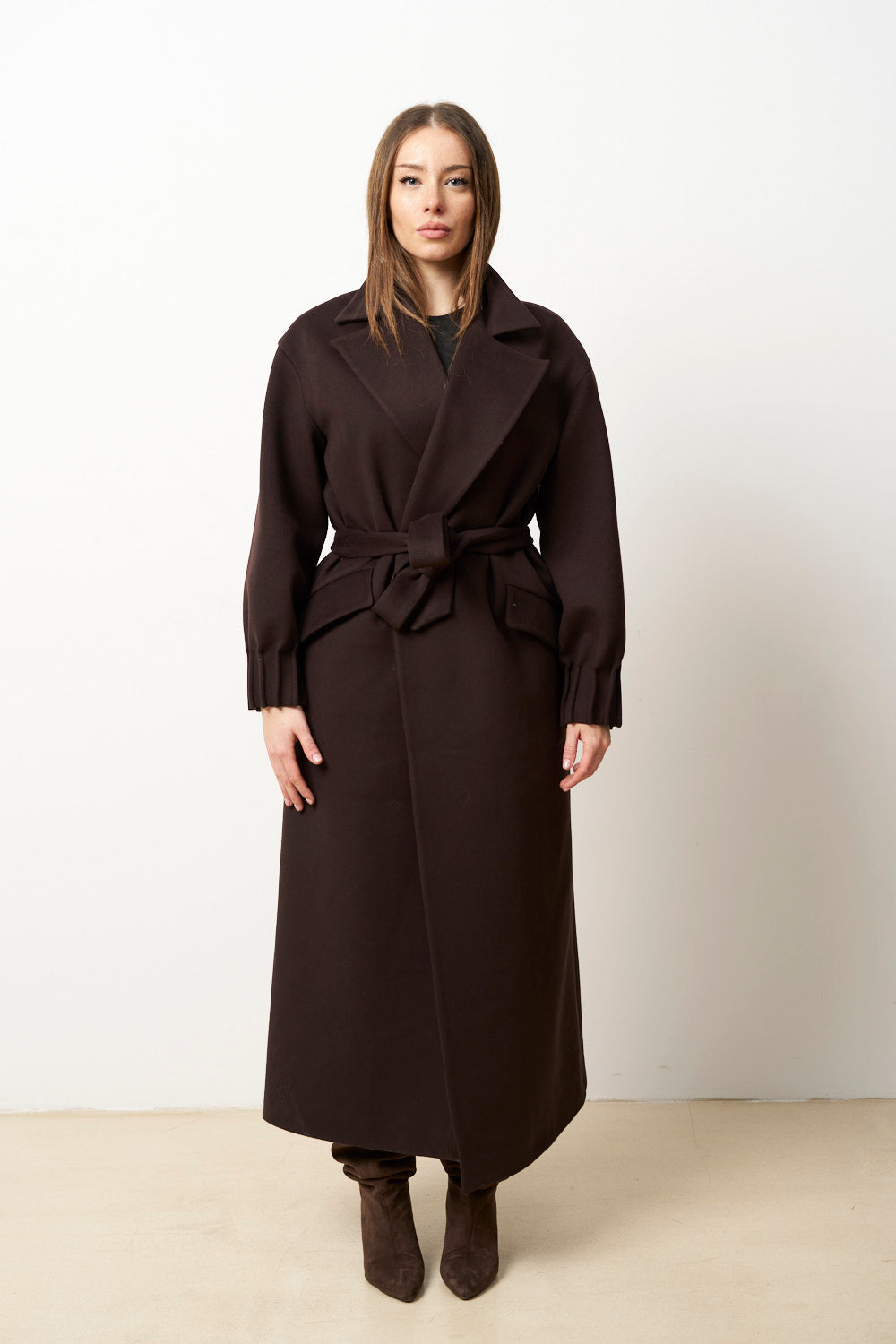
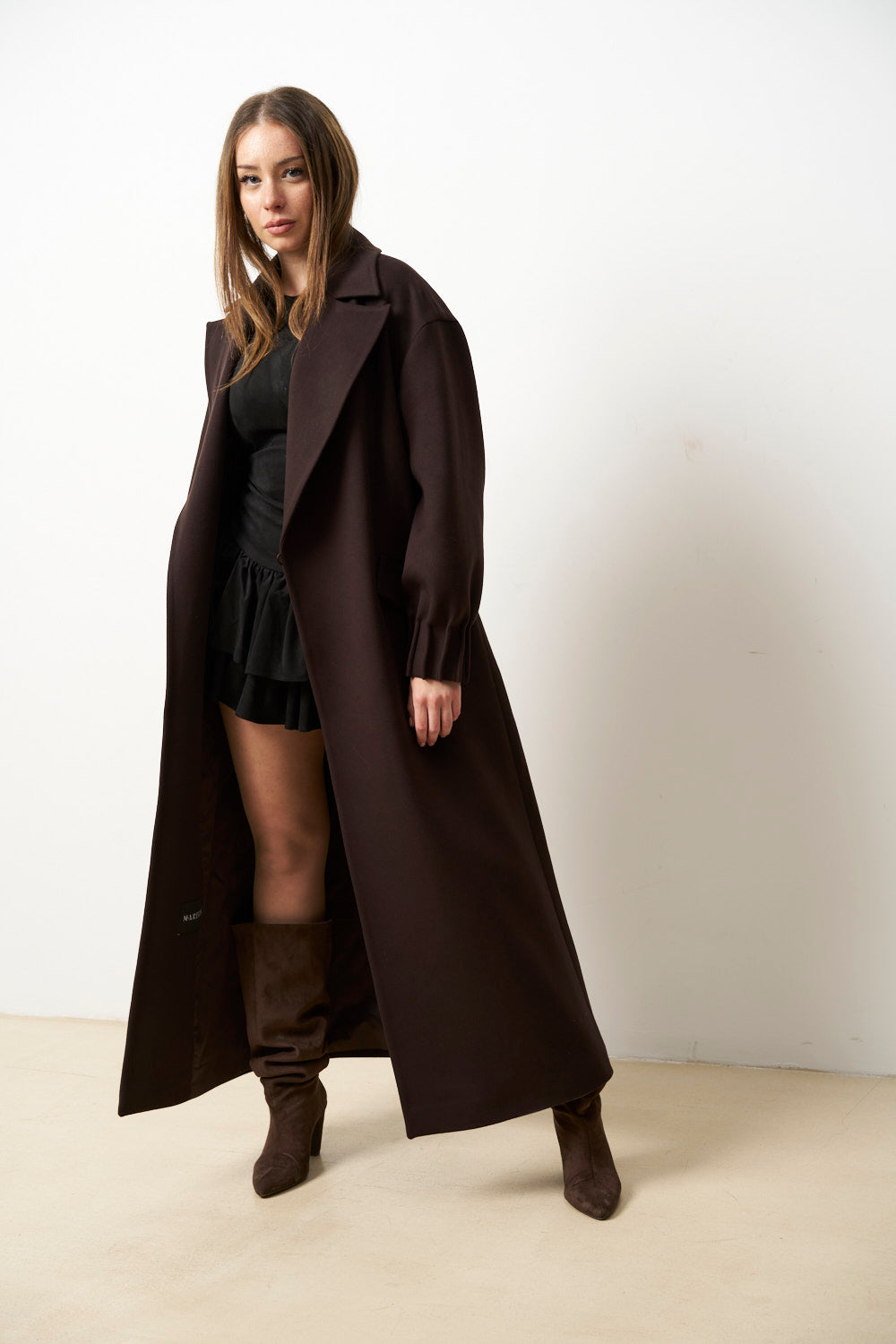
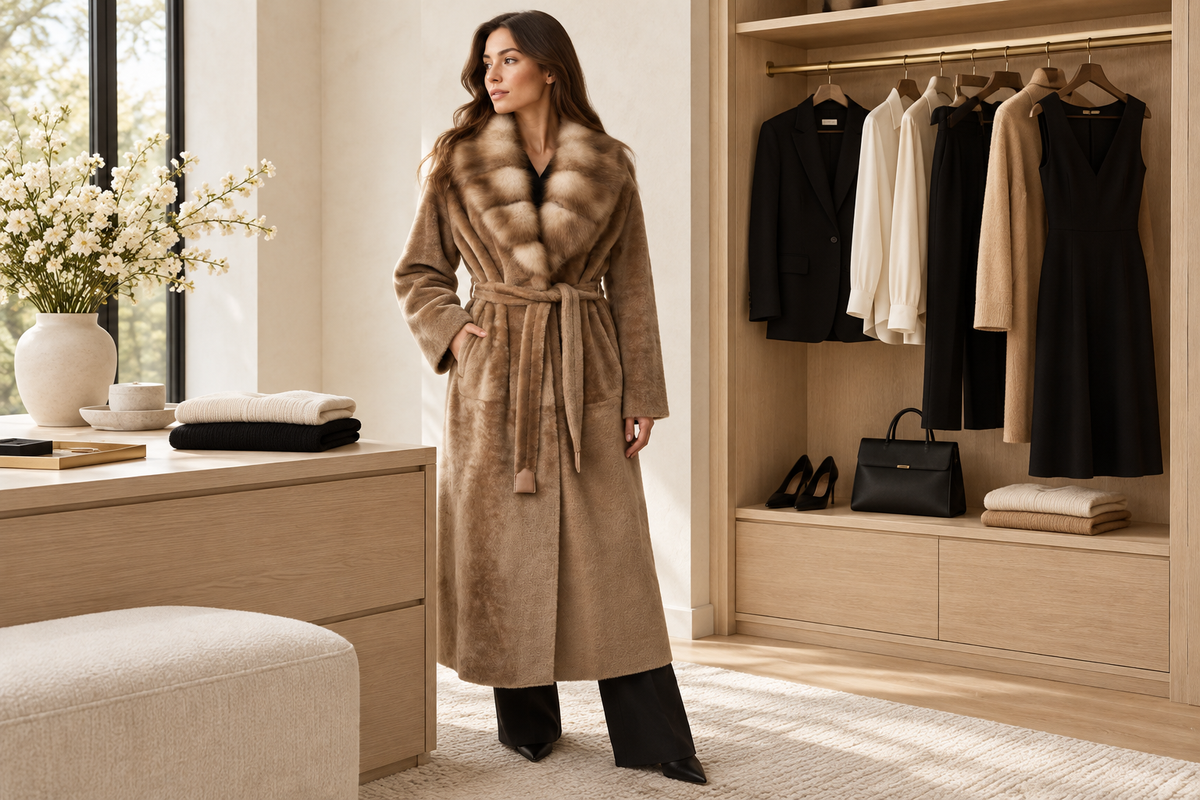
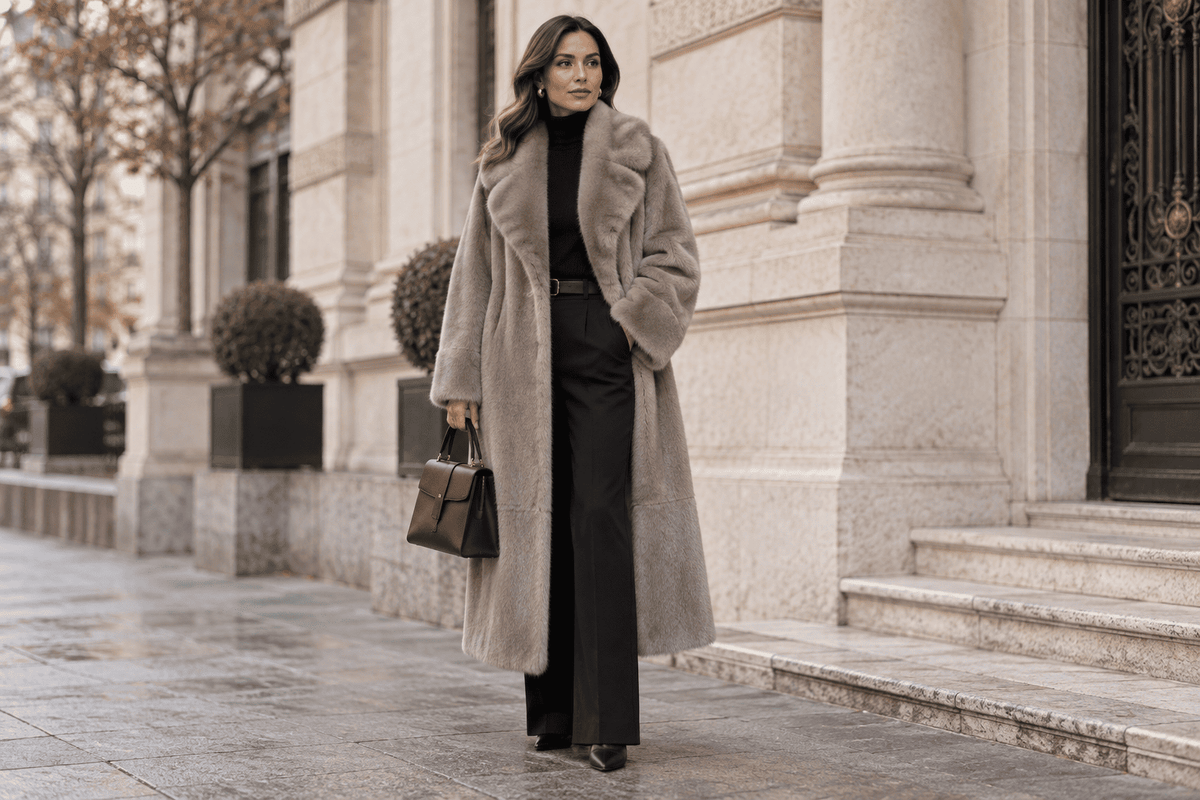
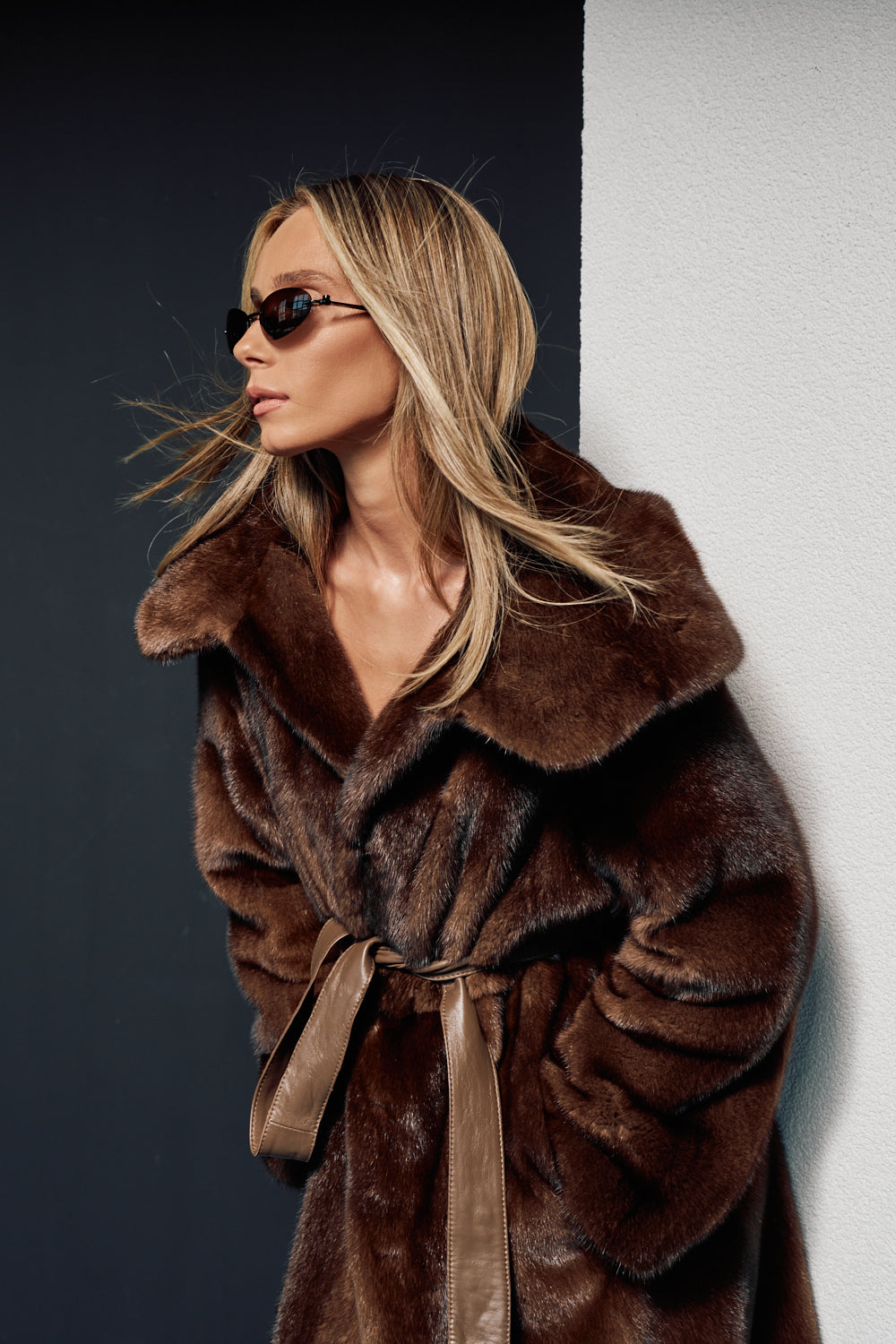
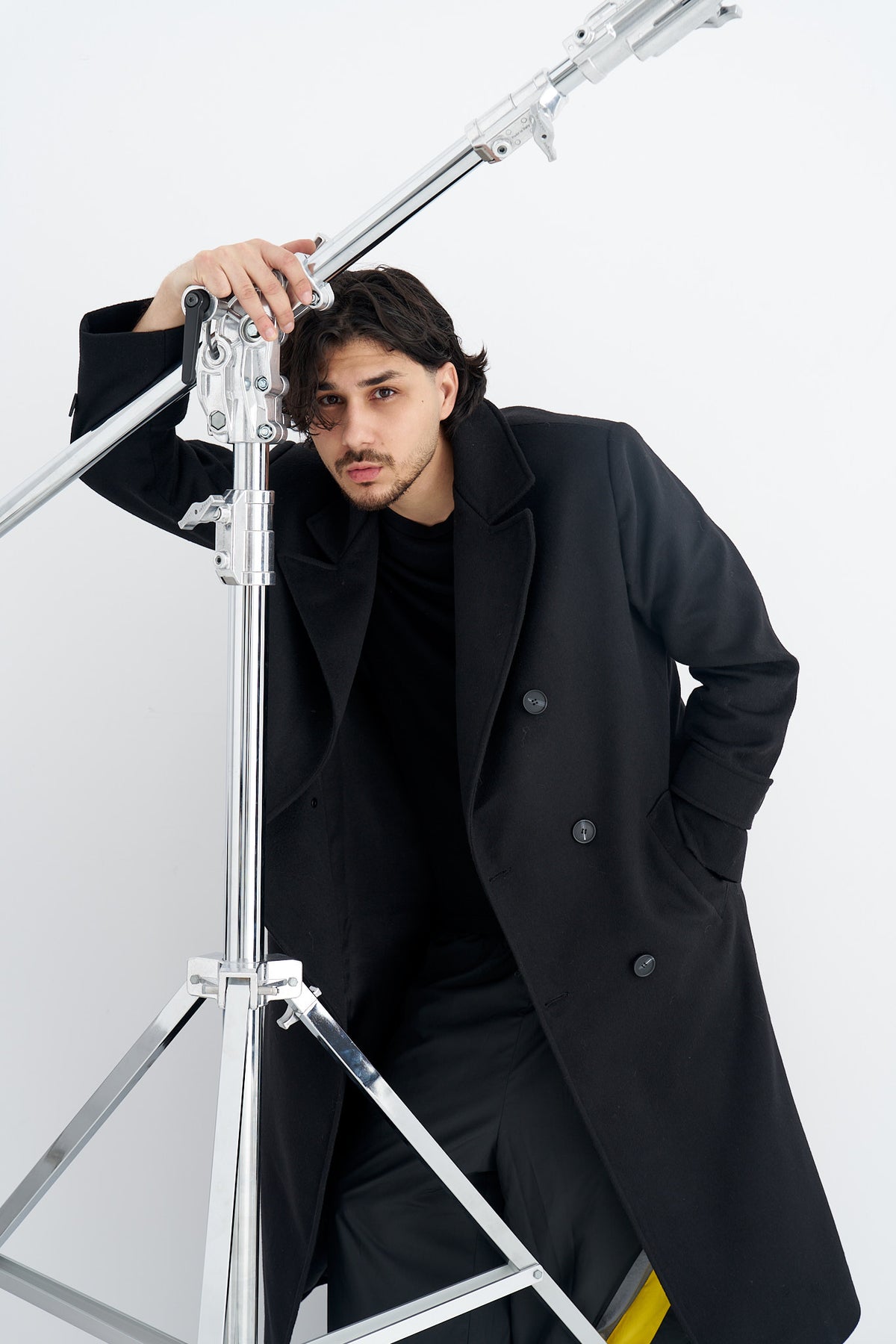
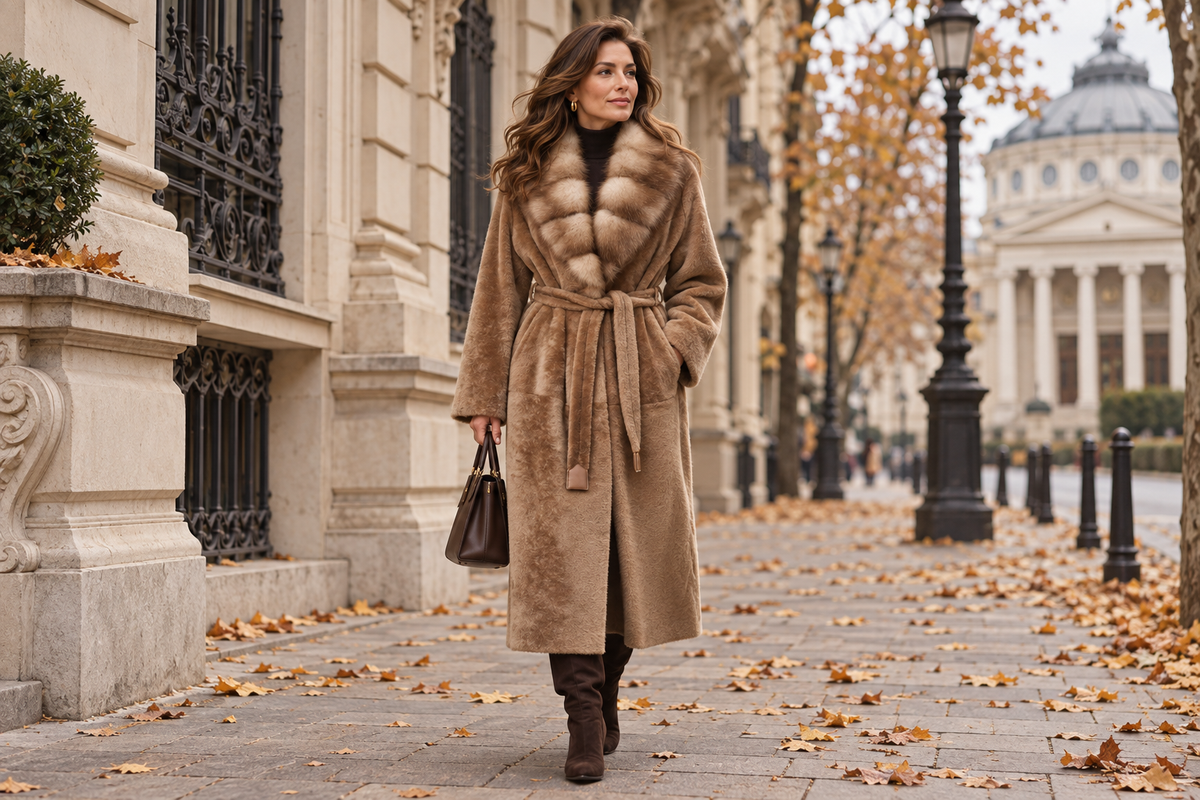
A wool coat completes cold-season outfits and pairs ideally with boots and ankle boots made from genuine leather. Choose shades of beige, nude, black, gray, or white—colors that can be effortlessly integrated into a variety of combinations. Classic styles in neutral colors work with any outfit, while quality materials such as wool provide durability and warmth. A straight or fitted cut influences how the coat sits on the silhouette, while its length determines the final proportions of the outfit.
The leather jacket: unexpected versatility
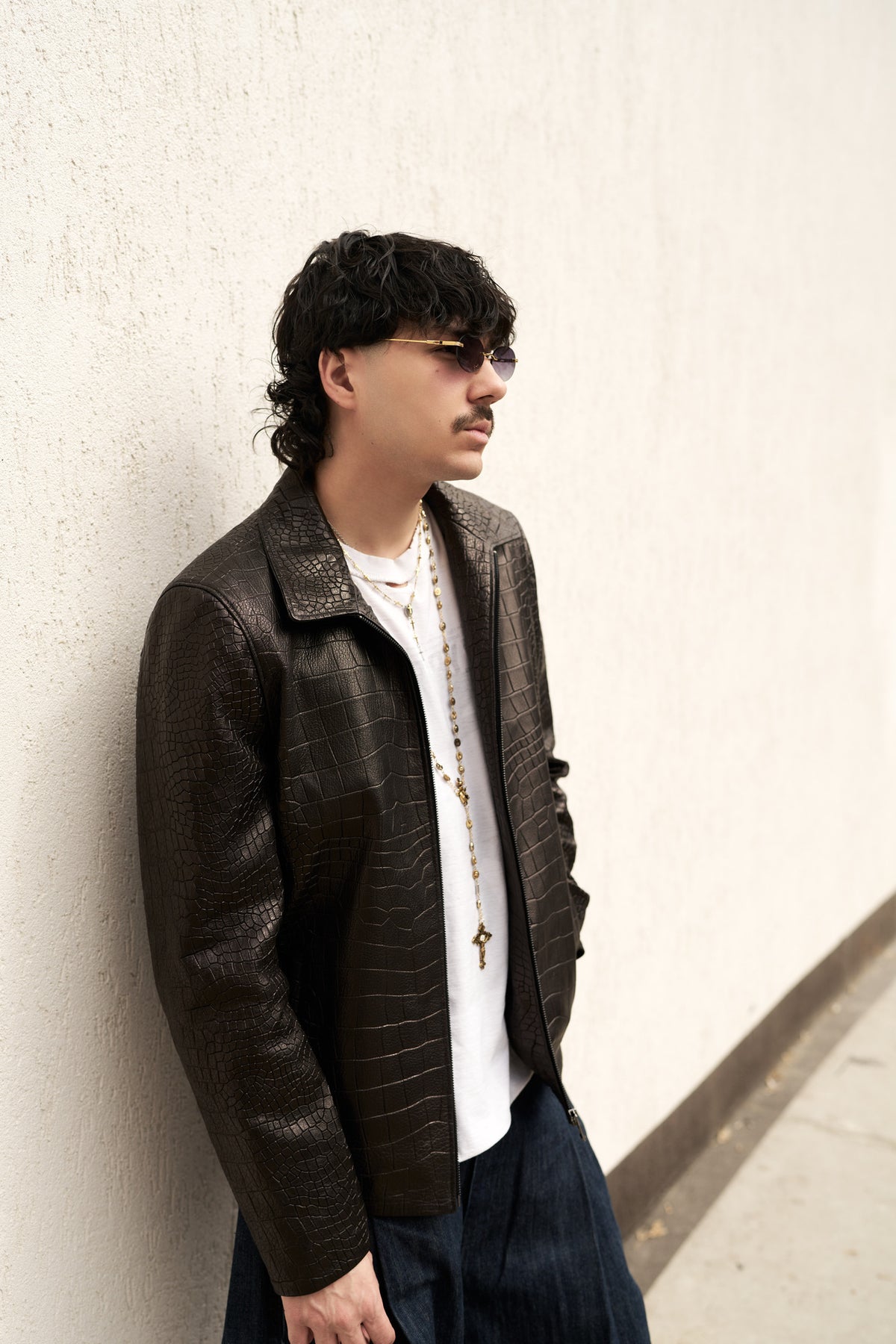
A leather jacket balances feminine pieces and pairs well with dresses, midi skirts, tailored trousers, or straight-leg jeans. The color you choose should complement your existing wardrobe, while quality material withstands daily wear without deteriorating quickly. A cropped jacket works as an intermediate or outer layer depending on the temperature.
Sweaters and natural fabrics
Colorful, versatile, and warm sweaters form the foundation of a cold-season wardrobe. Pair them with wool, fabric, or leather skirts, jeans, or tailored trousers. A wool or cashmere sweater can be worn under a trench coat or lightweight jacket, while neutral colors such as gray, beige, or navy work well for this season. Fine-knit styles allow layering without adding excessive volume.
Trousers for every occasion
Wide-leg trousers made from lightweight wool or sustainable corduroy, with a high waist, create a slimming effect and work well for the office or casual outfits. Straight-leg or bootcut styles pair perfectly with ankle boots or boots. A pair of jeans in your preferred cut and elegant classic trousers in a dark color round out your needs for the office and meetings.
Vests for smart layering
Cardigans add personality to fall outfits and pair well with shirts, turtlenecks, or T-shirts. Classic vests made of cotton, wool, or cashmere complement blouses in calm colors. A lightweight vest works between a sweater and a coat, offering thermal flexibility without restricting mobility.
The secrets of color combinations for fall outfits

Neutral colors as a foundation
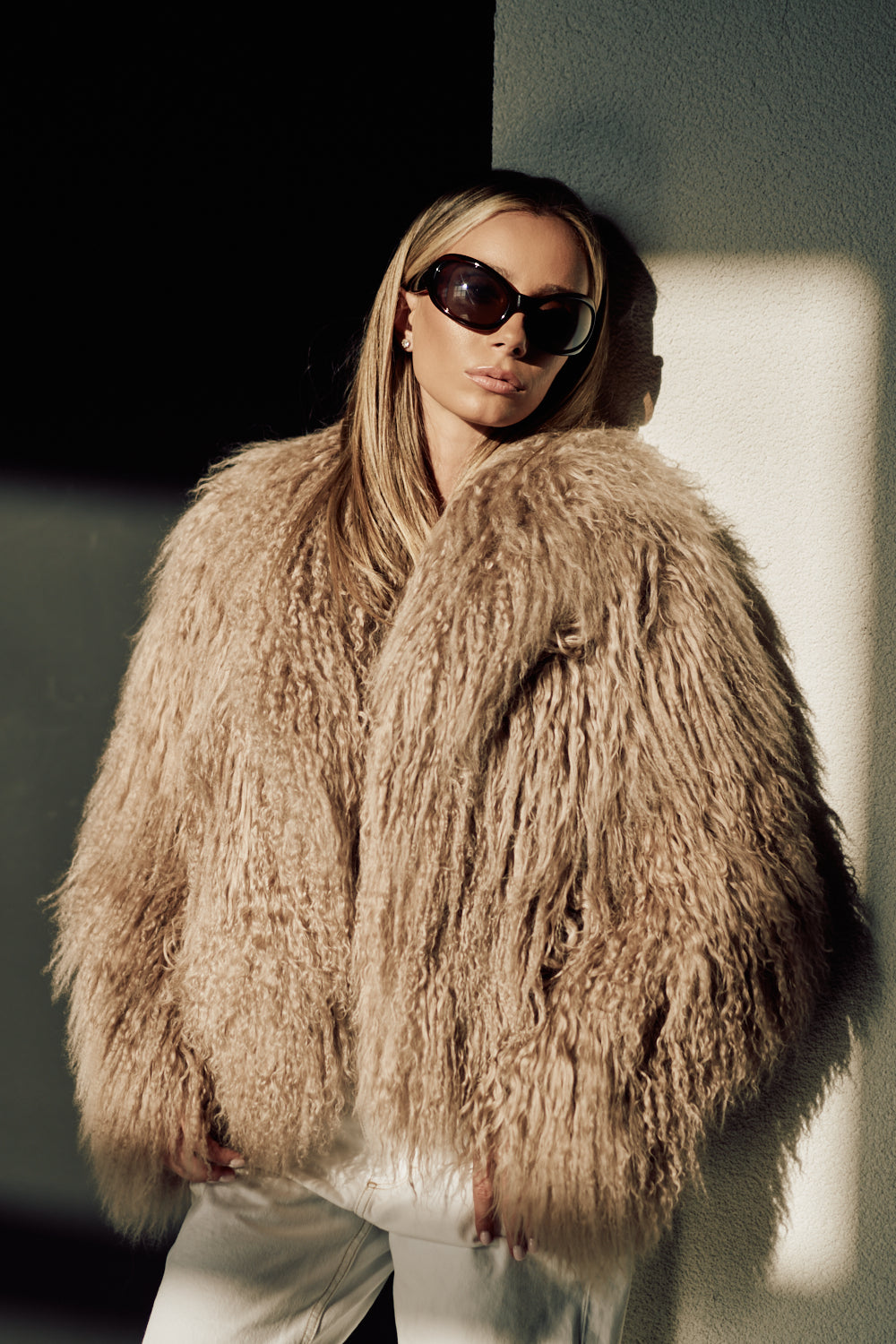
Successful combinations start with a neutral base that allows you to add textures and layers without making the outfit look bulky. Cream, camel, brown, gray, navy, black, and olive form the foundation for most fall outfit combinations. Chocolate brown and beige shades provide a solid base for other colors and work both in monochrome outfits and in combinations with vibrant accents. Layering similar tones, such as beige with warm brown, creates a soft, cohesive look. A monochrome look built entirely around chocolate brown elongates the silhouette and adds depth, while mixes with camel or beige create warm, harmonious transitions.
The color accents that make the difference
A single accent color, introduced through a sweater, scarf, bag, or footwear, transforms a neutral outfit without overwhelming it. Burgundy, dark green, petrol blue, and brick red complement the fall palette and blend naturally into combinations. Lilac, wine red, and emerald green add intensity to classic outfits. A mix of red with lilac or wine red with dusty pink creates a surprising contrast and exudes femininity. Olive green paired with mustard conveys a natural feel, while rust orange balanced with neutral shades adds visual impact without going overboard.
Common mistakes to avoid
Color overload occurs when you use too many colors in a single outfit, so apply the 60-30-10 rule: 60% dominant color, 30% secondary color, and 10% accent color. Combining warm and cool colors without a connecting element creates visual imbalance. Avoid bold, high-contrast patterns if your natural palette is soft. Colors that are too bright or contrasting can look harsh against some features, as natural materials such as amber or wood complement the warmth of the palette more harmoniously.
Fall outfit ideas and finishing touches that complete your style

Functional fall office outfits
Structured blazers, straight-cut trousers, and midi skirts form the foundation of professional attire. Dense fabrics such as lightweight wool and velvet provide thermal comfort and an elegant appearance. Classic trousers pair with silk blouses or shirts with subtle details, while fine sweaters can be worn under blazers. Elegant ankle boots, leather loafers, or medium-heeled shoes complete the combination.
Refined casual looks for the weekend
Relaxed- or straight-cut jeans pair with knitted sweaters, hoodies, and lightweight jackets. Boots, sneakers, or ankle boots add comfort. Knitted dresses paired with leather boots create a balance between femininity and practicality.
Elegant outfits for events
Long, midi, or structured velvet, silk, and satin dresses work for formal settings. Burgundy, emerald green, navy, or gold tones complete the atmosphere. Stiletto heels or elegant ankle boots with slim heels add refinement.
Combinations for rainy days
Trench coats made from water-resistant materials provide protection on damp days. The combination of a T-shirt, jeans, and the waterproof jacket provides functional versatility.
The right footwear for every occasion
Elegant heeled ankle boots are suitable for the office and events, tall boots complete knitted midi dresses, while loafers and sneakers work for casual combinations. Chelsea boots in polished or suede leather add refinement.
Bags: practicality and elegance
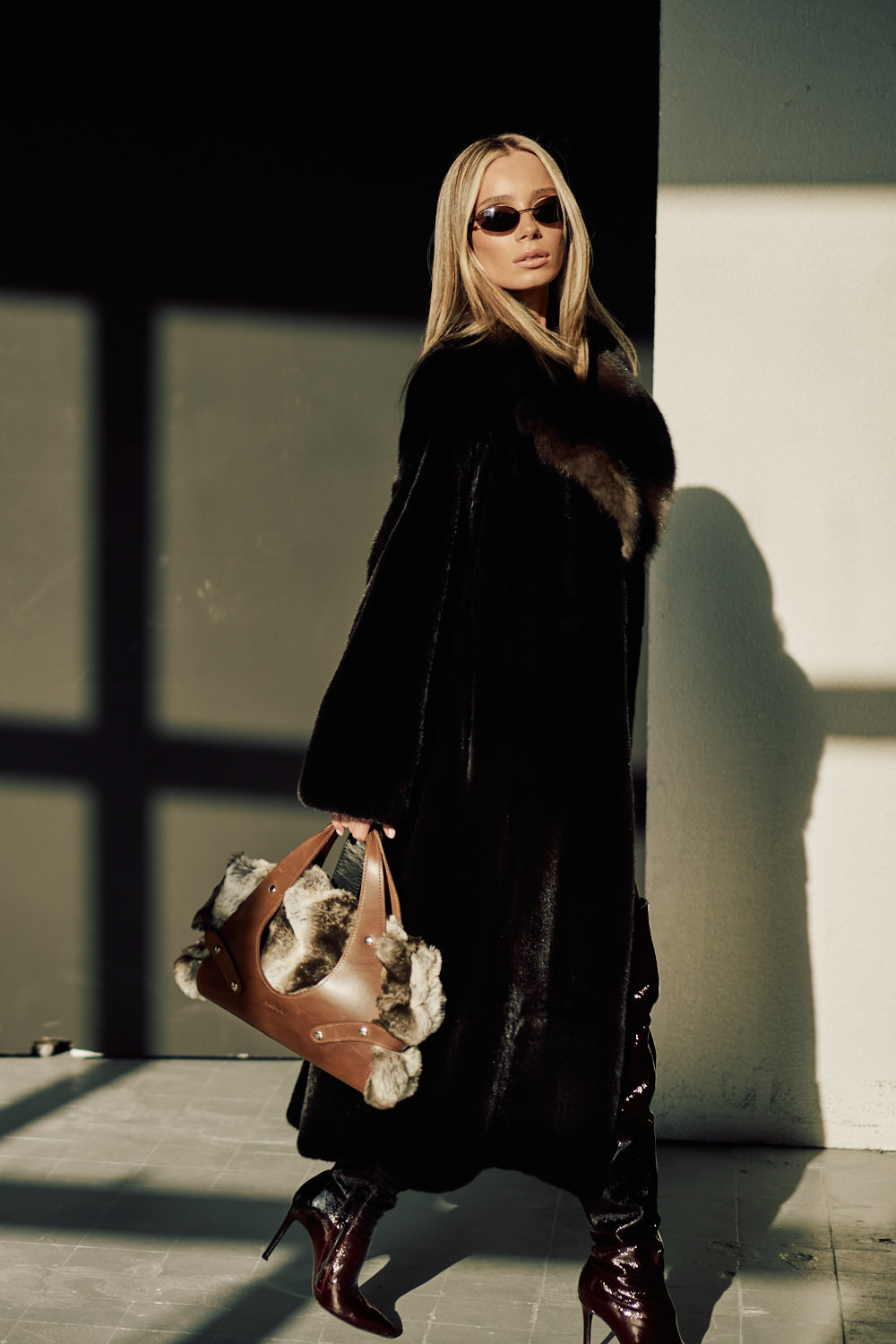
Structured office bags, crossbody bags for casual occasions, and elegant clutches are chosen according to the context. Styles in earthy shades such as brown, burgundy, or dark green suit the atmosphere.
Scarves, hats, and jewelry
Oversized scarves made of wool or cashmere add warmth and style. Fedora hats, French berets, or wide-brimmed hats add elegance. Leather gloves completes the refinement.
How to adapt fall outfits for the beginning of winter
Summer shoes are replaced by loafers, ankle boots, and short boots. A leather jacket or classic trench coat completes the transition. Layers remain functional, while materials adjust to the temperature.
Conclusion

Functional fall outfits are built from quality pieces that allow multiple combinations, not impulsive purchases. Essentially, proper layering, natural materials, and balanced colors form the foundation of a style adapted to real needs. Use the principles presented to create versatile combinations from the same pieces, adapted to the temperature and context. Quality lasts longer than trends, and a well-planned wardrobe gives you the freedom to dress elegantly without effort.