









Cashmere: why it's so expensive and how to recognize real quality
Why can two products labeled "cashmere" have very different prices, even if, at first glance, they seem similar? The explanation does not lie solely in the name of the fiber or the percentage indicated on the label. The fineness and length of the fibers, the selection, processing, material density, cut, and finishes influence both the cost and the product's performance over time.
In this guide, you will find practical criteria for checking composition, texture, density, and construction. You will also learn how cashmere differs from merino wool, when a wool blend is useful, and how knitwear and coats should be maintained.
What cashmere is and where it comes from

Fiber obtained from the fine down of goats
Cashmere is a natural fiber obtained from the fine layer of down that protects certain goats during periods of low temperatures. This down must be separated from the outer, coarser, and stiffer hairs, which have different properties and uses.
The name is historically linked to the Kashmir region, known for processing this fiber. Today, the raw material comes from several Asian regions, and its characteristics can vary depending on origin, climate, selection, and processing.
How the fiber is collected and processed
After collection, the raw material goes through several stages:
-
separating fine fibers from coarse outer hairs;
-
sorting by characteristics and color;
-
washing to remove impurities;
-
spinning;
-
knitting or weaving;
-
product finishing.
Only a portion of the collected material becomes usable fine fiber. The quality of separation and the uniformity of selection influence the texture, stability, and price of the final product.
Why cashmere is so expensive

Limited quantity of fine fiber
The amount of fine down available is lower than the volume of wool typically obtained from sheep. Added to this are the collection, separation, and sorting stages required before the fiber can be spun.
Rarity only explains part of the price. The origin of the fiber, the quality of the batch, processing, product construction, and quality control can create considerable differences between two items with the same declared composition.
Fiber fineness
Fiber diameter is measured in microns. One micron represents one-thousandth of a millimeter. In general, finer fibers feel more delicate on the skin, but fineness should not be evaluated separately from length, strength, and the product's purpose.
Micron count cannot be accurately determined by touch alone. If it is important for comparison, the value must come from the manufacturer, the supplier, or technical documentation.
Fiber length
Longer fibers can be spun into a more stable yarn and tend to be harder to pull out of the knit or fabric structure. This allows the surface to remain more uniform during wear.
Very short fibers can reach the surface more quickly and may promote pilling. The buyer cannot determine the exact length by touch, which is why verifiable information about the raw material is important.
Sorting and uniformity
The sorting process aims to remove coarse fibers and select fibers with as uniform properties as possible. A rough surface may indicate the presence of thicker yarns, a fiber blend, or a certain type of processing.
Even the sensation of extreme softness is not sufficient proof of quality. Some finishes applied before sale can make the product appear temporarily softer and fluffier.
Product construction and finishing
The price of a coat does not exclusively reflect the cost of the fiber. It may include fabric weaving, pattern development, lining, accessories, labor, and checks performed before marketing.
Two products containing the same percentage of fiber can have very different densities, cuts, and finishes. Composition must be analyzed in the context of the entire product.
Micron count, fiber length, and ply

What the micron count indicates
The micron count expresses fiber diameter. Generally, a smaller diameter contributes to a finer feel, but it does not prove the strength or value of the product on its own.
Commercial classifications, such as "Grade A," "B," or "C," are used inconsistently. Without identifying the standard and the criteria applied, the letter does not provide enough information for an objective comparison.
Why fiber length matters
Longer fibers can contribute to:
-
a more stable yarn;
-
a more uniform surface;
-
reducing fibers that quickly pull out of the structure;
-
better wear performance.
Any product can develop some pilling, especially in areas subject to friction. The appearance of a few pills does not automatically prove that the fiber is weak, but an intense and rapid phenomenon deserves analysis.
What "ply" means
The term "ply" indicates the number of yarns twisted together. For example, a 2-ply knit uses two yarns, which can contribute to a more stable and dense structure than that obtained with a single yarn.
More yarns do not automatically mean a more valuable piece. The quality of the fiber, the thickness of the yarns, and the desired result matter. The term is used mostly for knitwear and should not be applied simplistically to coats or all woven materials.
100% cashmere or wool blend

When pure cashmere is suitable
A product made entirely of this fiber can have a low weight, a fine texture, and a pleasant feeling when worn. These advantages are relevant especially for sweaters, cardigans, scarves, and other pieces worn close to the body.
However, the "100%" label does not prove that the fiber is long, uniform, or well-processed. Density, cut, spinning, and finishes remain important criteria.
Why it is sometimes combined with wool
In the case of coats, wool can add structure, stability, and strength. A well-made blend can be more suitable for frequent use than a material chosen solely based on a high percentage of fine fiber.
A blend should not be automatically considered an inferior compromise. The proportions must be read on the label, and the product must be evaluated according to purpose, density, cut, and the conditions in which it will be worn.
Other fiber blends
There are also combinations with silk, cotton, viscose, polyamide, or other fibers. Each can modify weight, elasticity, texture, strength, or maintenance requirements.
The presence of a synthetic fiber does not prove on its own that the product is weak, just as an exclusively natural composition does not guarantee its quality. The piece must be evaluated according to the function for which it was designed.
Cashmere versus merino wool

Fiber origin
Cashmere comes from the fine down of certain goats, while merino wool is obtained from merino sheep. Both are natural fibers, but they have different origins, structures, and behaviors.
Quality varies within both categories. A good merino product may be more suitable for a certain use than a poorly made product from a fiber considered more exclusive.
Fineness, structure, and use
The former fiber is valued for its fineness, low weight, and comfort. Merino wool can offer elasticity, strength, and good moisture management, depending on fiber fineness and product construction.
Fine knitwear and low-weight thermal comfort pieces can benefit from cashmere. Merino can be very suitable for layering, frequently worn items, and products that need to regain their shape after use.
How to choose between them
The choice should be made based on:
-
frequency of wear;
-
skin sensitivity;
-
budget;
-
climate;
-
activities in which the piece will be used;
-
willingness for maintenance.
For an article used intensively, strength and ease of maintenance can count more than maximum fineness. For tactile comfort and low weight, cashmere can have an advantage when the fiber and construction are of quality.
How to recognize quality cashmere

Read the full composition
Check the actual percentage and all other fibers in the blend. The commercial name or product title may highlight the premium fiber even when it represents only a small part of the composition.
Correlate percentages with the type of product. The requirements of a fine sweater differ from those of a coat, which must maintain its shape and withstand frequent wear.
Analyze density and uniformity
For knitwear, look at the product in light and stretch it slightly, without deforming it. The material should not appear overly loose, unstable, or uneven for its intended purpose.
In the case of a coat, analyze the density of the fabric, how it drapes, and its ability to maintain its shape. Also check the connection between the outer material, lining, and cut.
Test the material's recovery
Gently squeeze an area and observe if it regains its shape. The test can offer a clue about elasticity and construction, but it does not verify fiber authenticity.
The result is influenced by thickness, structure, blend, and finish. Do not make a decision based on a single tactile test.
Check the surface
A fine fluff can be normal. A surface covered with many loose fibers before the first wear can indicate short fibers, a heavy finish, or an unstable structure.
Do not rub the material aggressively in the store and do not assume that any pilling indicates a problem. Areas subject to friction, such as the sides, cuffs, and underarms, tend to form pills faster.
Evaluate the cut and finishes
Check the shoulders, hems, seams, lining, buttons, pockets, and closure. For a coat, try the product on over clothes similar to those you will usually wear.
Good fiber cannot fully compensate for an unsuitable cut or poor construction. Use value also depends on comfort, proportions, and freedom of movement.
Ask for verifiable information
Ask about composition, origin, supplier, maintenance recommendations, and, possibly, certifications. Concrete information is more useful than adjectives like "luxurious," "superior," or "premium."
Avoid home tests by burning the fiber. They are risky, can damage the product, and do not offer a sufficiently precise identification of the composition.
Signs of a poor or deceptively presented product

Analyze the product more carefully: if the name "cashmere" is highlighted, even though the percentage in the composition is small, the label contradicts the commercial description, or there is a lack of information about composition and maintenance. An overly fluffy surface, a loose material that loses its shape, finishes that do not justify the price, A, B, or C classifications without an explained standard, and a very low price justified only by a spectacular discount are also worth verifying.
Touch can help evaluate texture, but it does not confirm authenticity or quality. The label, documentation, and construction offer more relevant information.
How to choose a coat made of cashmere or a cashmere and wool blend

The right composition for use
A coat needs structure and strength, not just fineness. A well-constructed blend of wool and cashmere can be practical for frequent use and can better maintain the shape of the piece.
There is no universal percentage suitable for all coats. The result depends on fiber quality, fabric density, finishing, and cut.
Fabric weight and density
Relate the coat's weight to each season and the temperatures at which it will be worn. A very fine and light material does not automatically provide the thermal protection needed in winter.
Observe if the fabric drapes evenly and if the piece maintains its line. Density must be analyzed together with the model, lining, and length.
Cut and layering
Try the coat on over a blazer, sweater, or knitwear similar to those worn usually. Check the shoulders, sleeves, closure, and freedom of movement.
A correct cut increases frequency of wear. A product that is valuable in terms of material but uncomfortable over seasonal layers will likely remain unused.
Lining and finishes
The lining contributes to comfort, allows the coat to slide over other clothes, and protects the interior of the outer material. It should not pull, form unnatural folds, or limit movement.
Check the buttons, pockets, seams, and hems. These elements show the difference between raw material and a carefully constructed finished product.
Applying criteria to a real selection
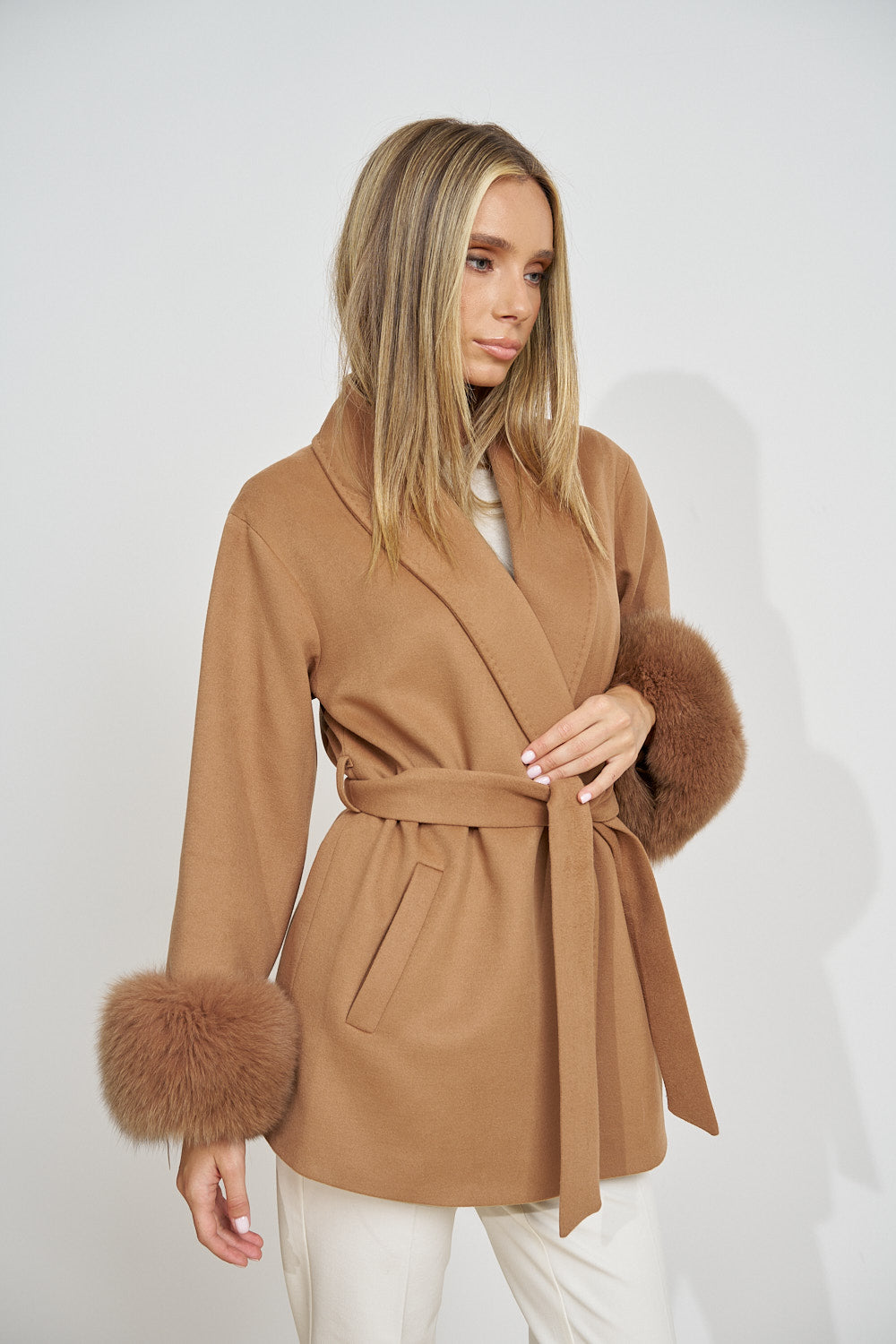
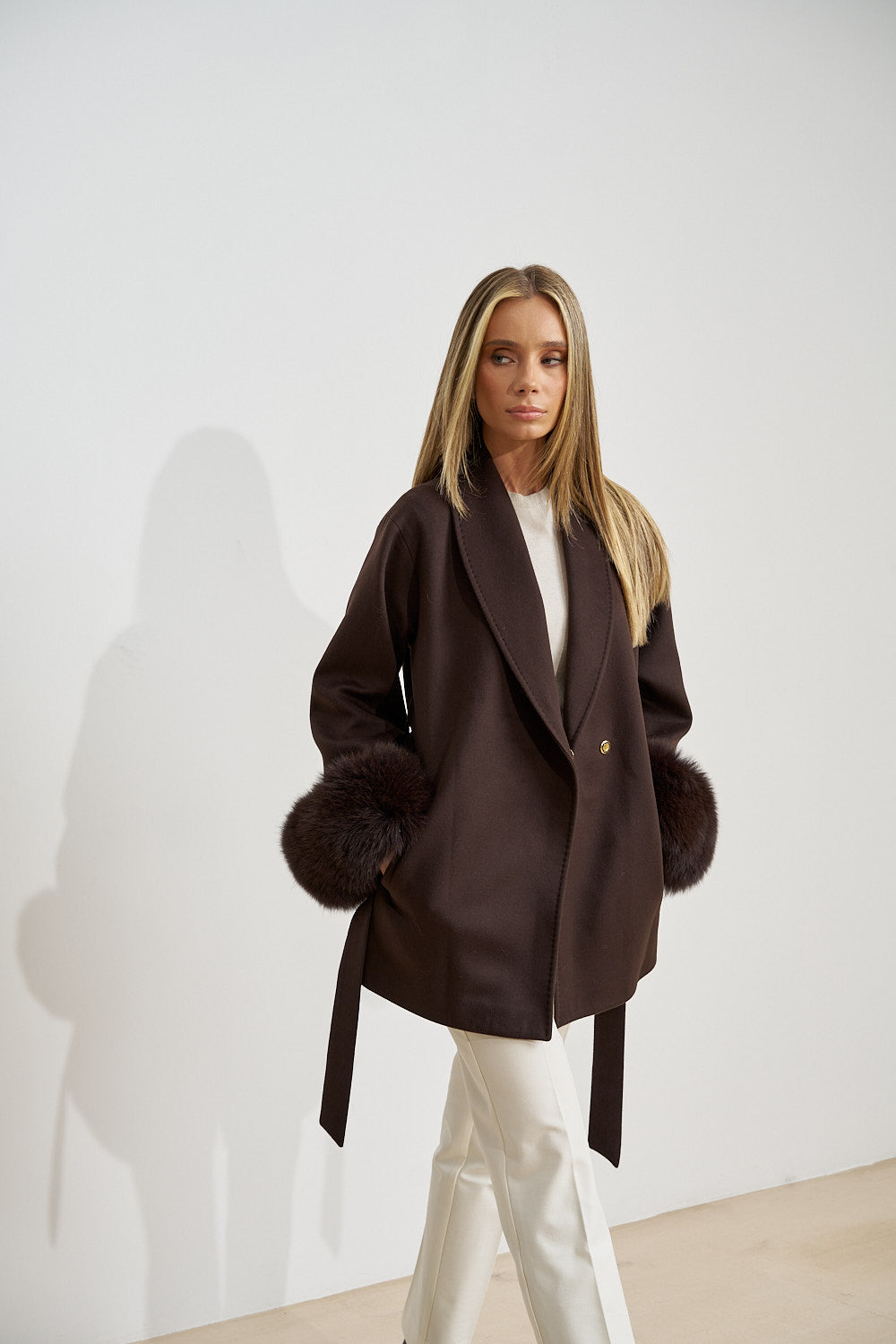
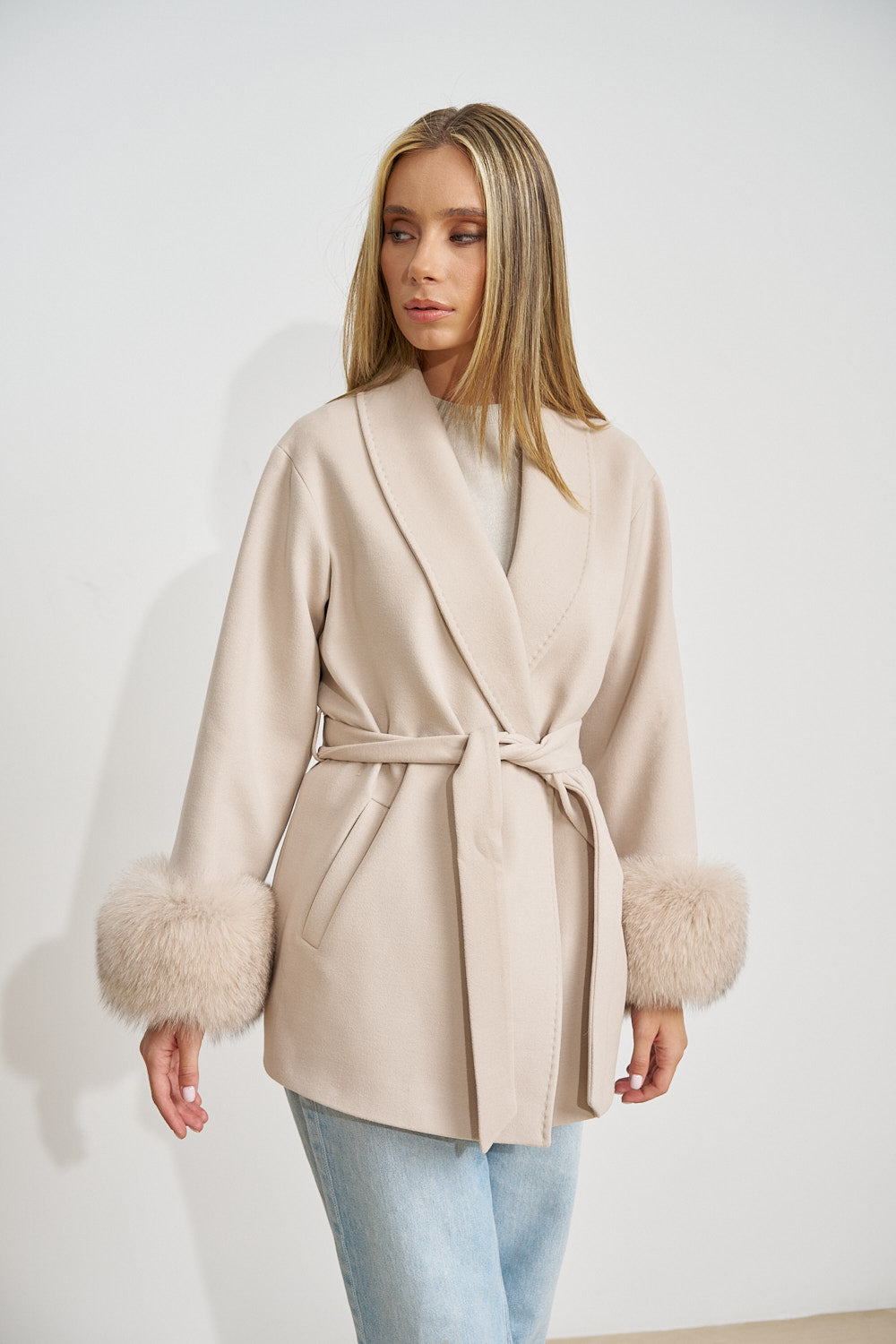
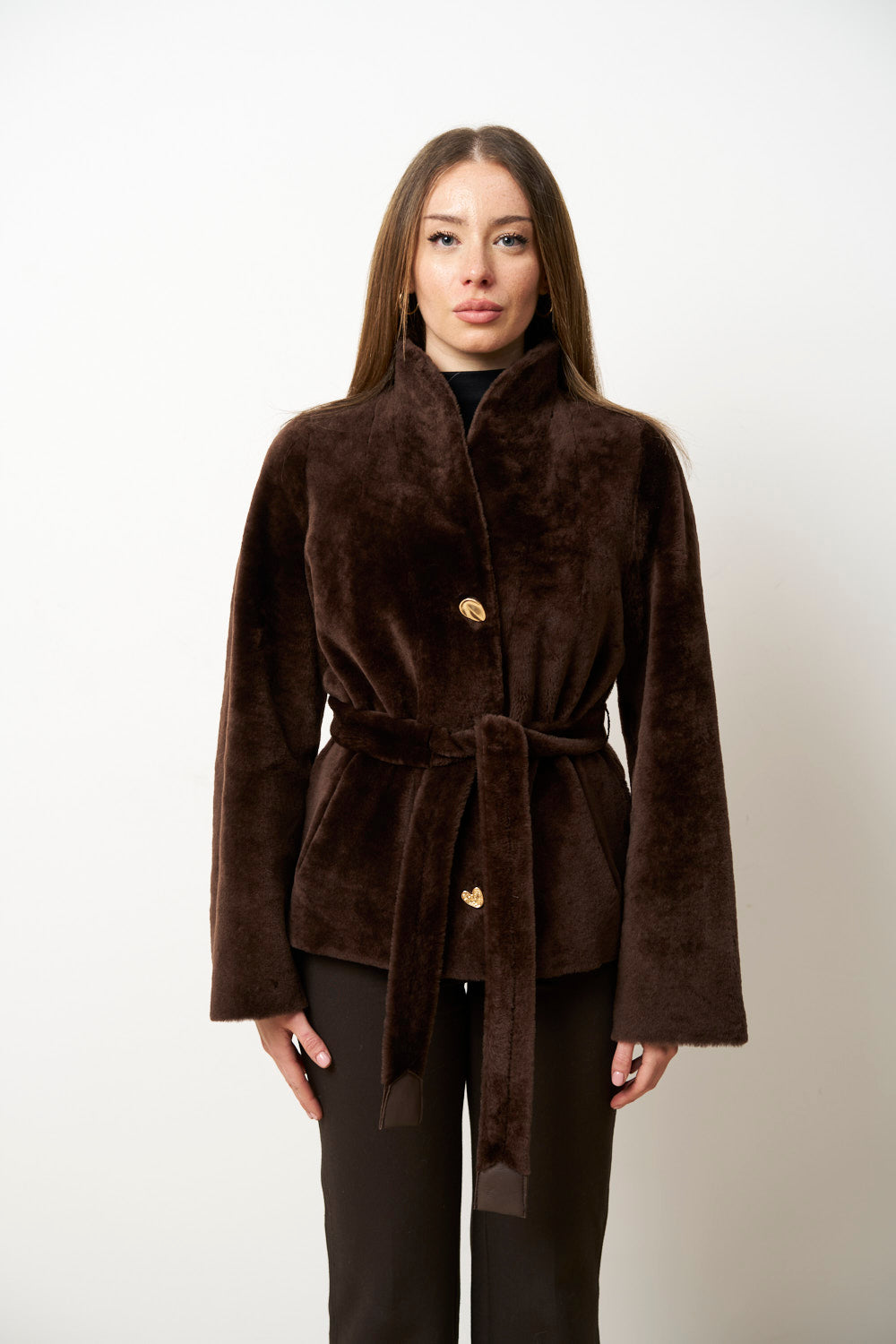
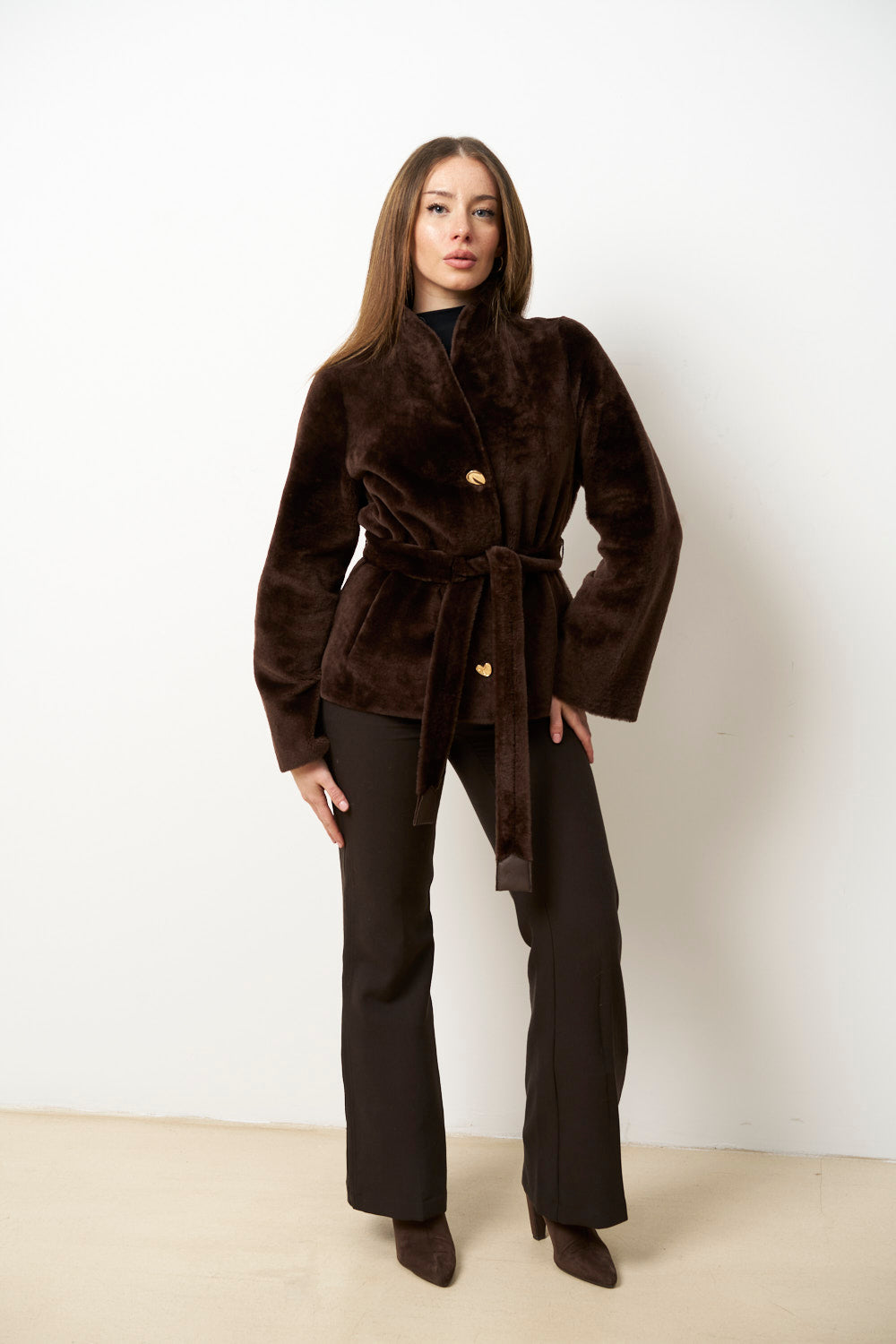
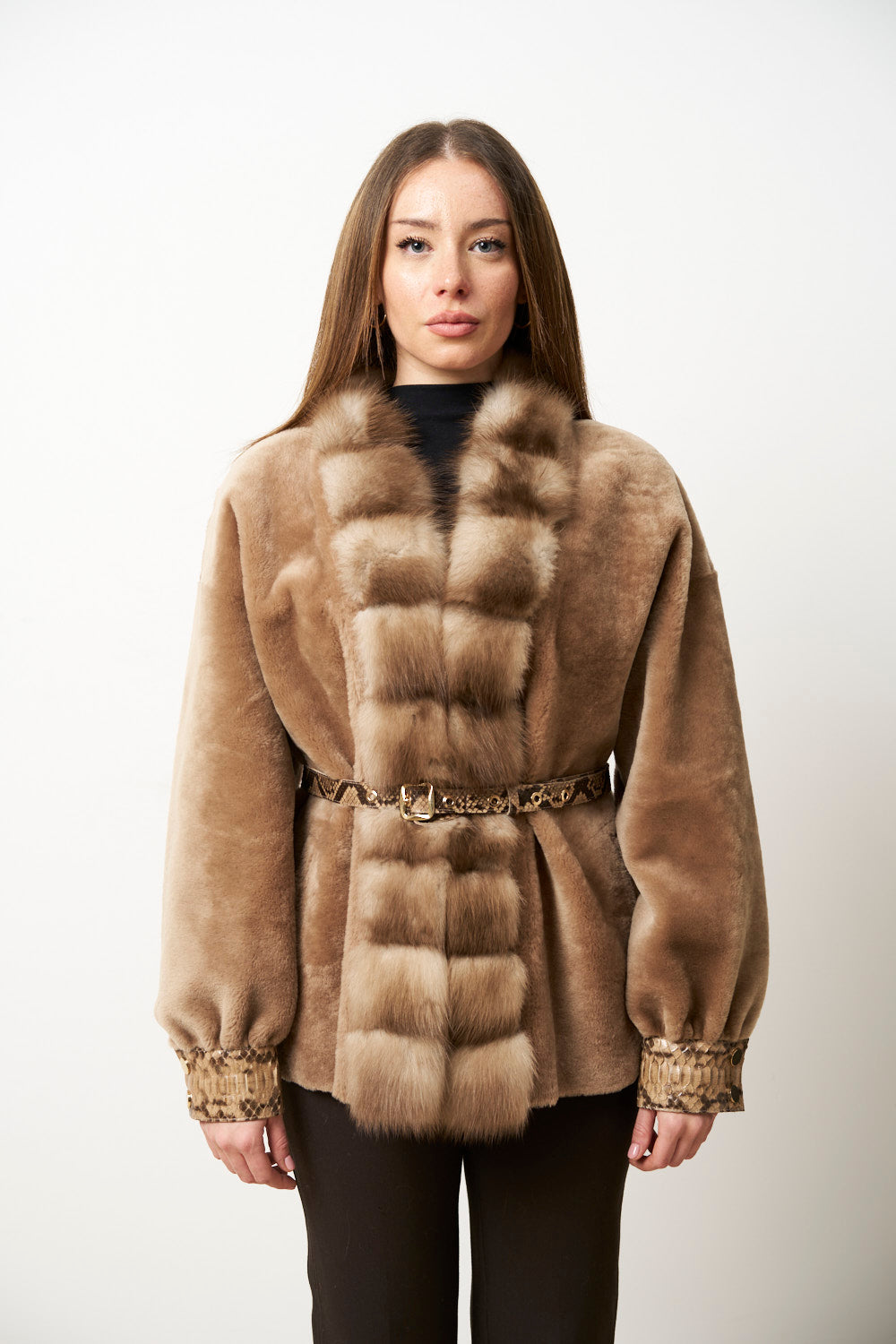
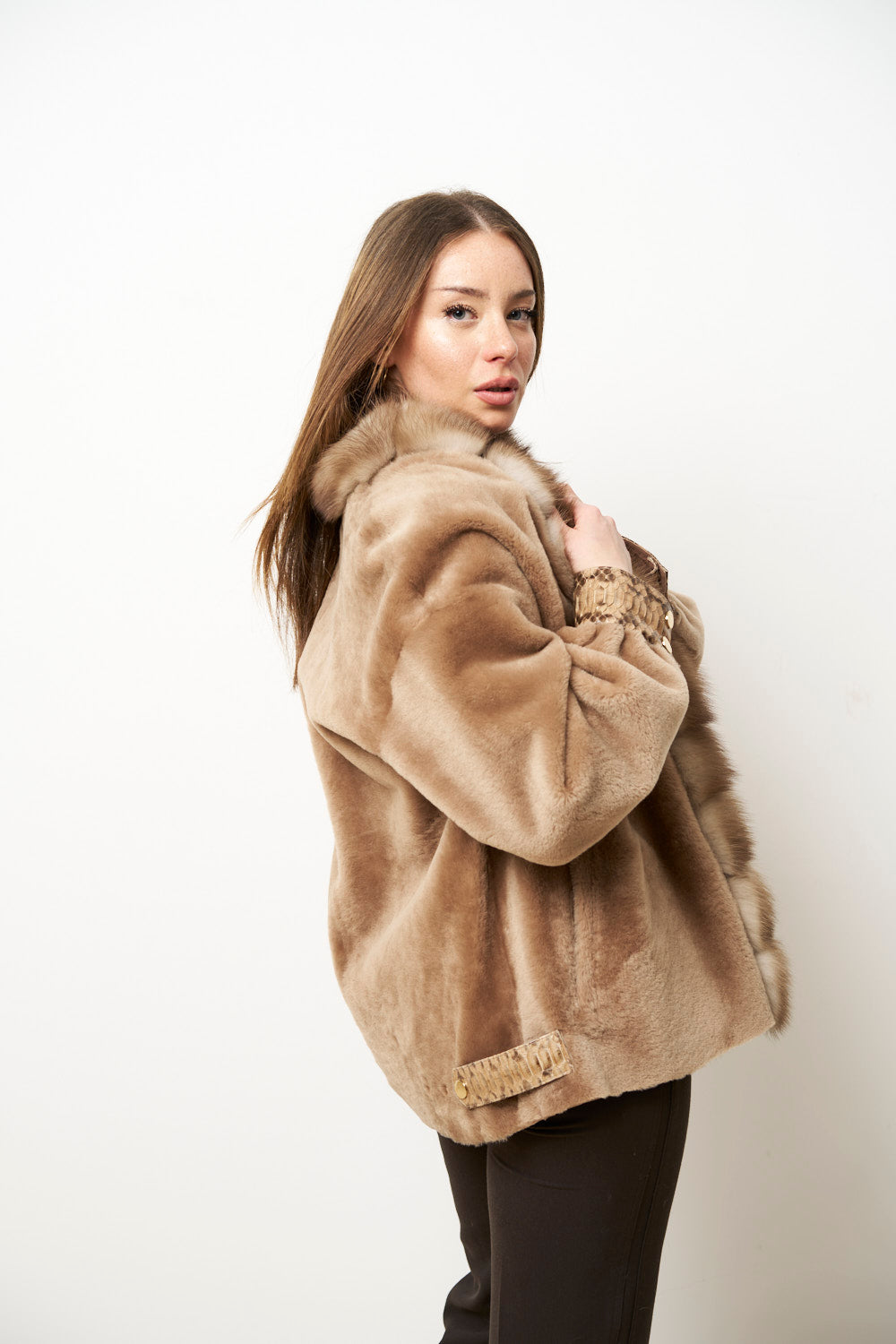
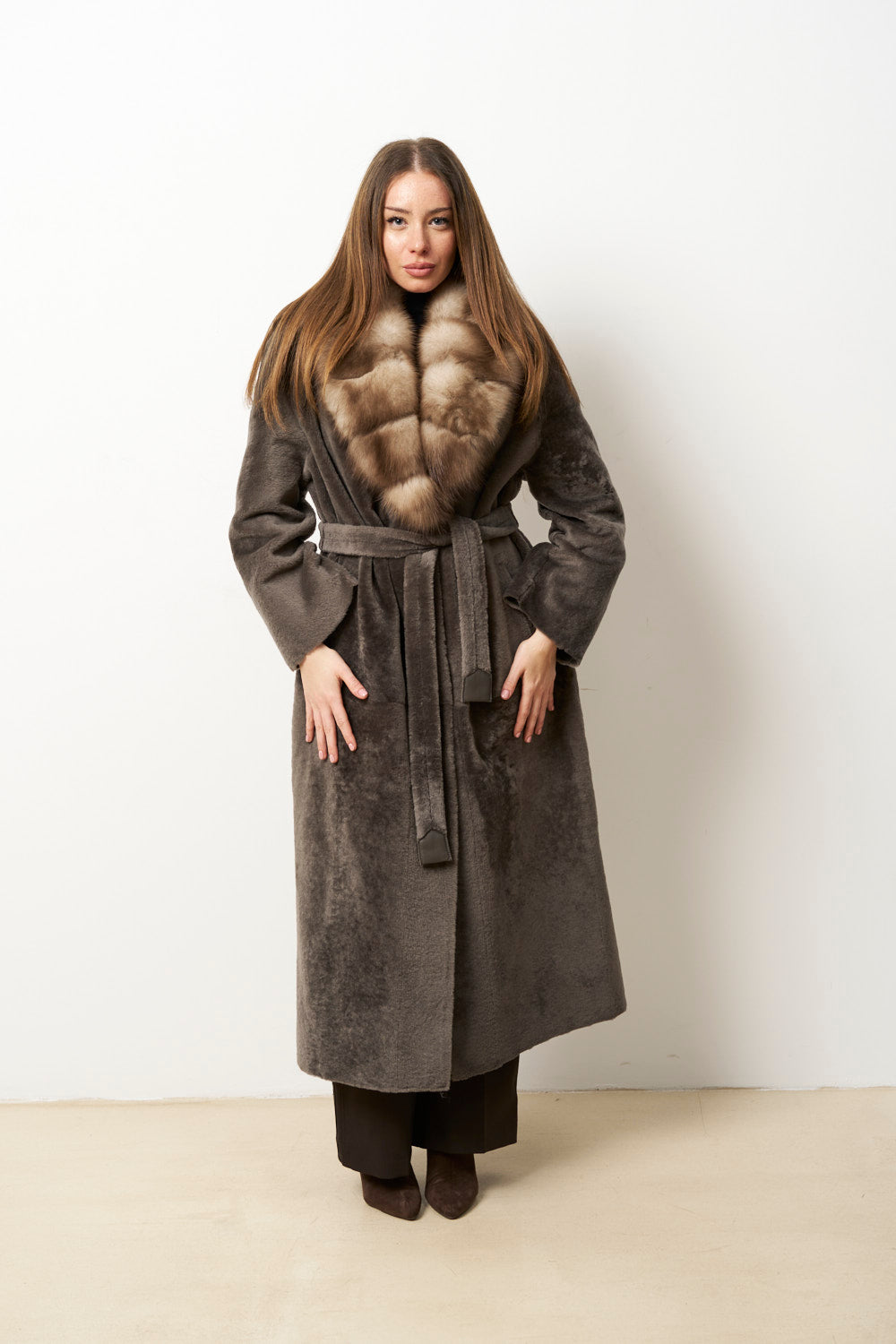
When analyzing Mareus cashmere and wool coats, check each model's individual composition, cut, and layering space. Not all products in the same category necessarily have the same proportion of fibers or the same seasonal destination.
For comparison, you can also analyze the Mareus selection of cashmere and wool, noting the differences between knitted products and those made from woven materials. Requirements regarding density, structure, and maintenance are not identical.
Why a good coat may cost more

Price can reflect raw material, fiber sorting, spinning, weaving, cut, lining, labor, accessories, and quality control. However, a high cost does not automatically prove that the product is right for the buyer.
Cost and value are not the same. A garment becomes valuable when it fits well, meets a real need, is worn frequently, and can be properly maintained.
For a rough assessment, you can calculate the cost per wear:
Product price ÷ estimated number of wears = cost per wear
A 2,500 RON coat, worn 125 times, comes to 20 RON per use. This calculation alone does not justify the price, as the estimate must be realistic and the product must be durable enough to reach that number of uses.
How to wash and care for cashmere

Check the label first
The manufacturer's instructions take precedence over general recommendations. Construction, fiber blends, dyes, and finishes may require different maintenance methods.
Coats and structured pieces may require professional cleaning. Do not wash the product at home if the label indicates dry clean only.
Hand-washing knitwear, if permitted
If you want to know how to wash cashmere, the first step is to check the label. When hand-washing is permitted, use cold or lukewarm water and a detergent designed for wool or delicate fibers.
Do not rub, twist, or soak the garment longer than necessary. Rinse gently and avoid sudden temperature changes, which can lead to deformation or felting.
Proper drying
Remove excess water by pressing gently between two towels. Do not wring the material.
Lay the knitwear flat on a clean surface and reshape it. Avoid hangers, radiators, tumble dryers, and direct sunlight. For coats, follow the manufacturer's and the dry cleaner's instructions.
Removing pilling
Use a comb or a tool designed for delicate materials, applying light pressure. Work on a flat surface and do not repeatedly press on the same spot.
Do not pull the fibers by hand or shave the surface aggressively. Cuffs, underarms, and sides are the areas that usually require more attention.
Storage
Knitwear must be stored clean, completely dry, and folded. Storing on a hanger can stretch the material and deform the shoulders.
Coats should be kept on wide hangers in a breathable garment bag. Protect all pieces from moisture, direct light, and moths. Avoid prolonged storage in airtight plastic.
Common mistakes when buying or caring for cashmere

Among the most common mistakes are choosing a product based solely on fiber percentage, assuming that a "100%" composition guarantees quality, and interpreting yarn counts or grades A, B, and C without a clear standard. Added to this are judging authenticity solely by touch, ignoring the cut, finishes, and your lifestyle, as well as improper care: washing a coat without checking the label, drying knitwear on a hanger or radiator, aggressive pilling removal, and storing worn, damp, or insufficiently cleaned items.
Conclusion

The value of a cashmere product is determined by several factors: the fineness and length of the fibers, uniformity of selection, spinning, density, cut, and quality of finishes. The name of the material, a "100%" label, or a high price are not enough to prove quality.
Choose the product based on real use, verifiable information, and your ability to maintain it. For knitwear and coats, a construction fit for purpose and a cut you will wear frequently are just as important as the fiber listed on the label.