



Office Style for Women - How to look impeccable without appearing stiff
Women's office style is more than just a simple professional uniform. It represents a balance between the desire to convey competence and the need to maintain comfort and personality throughout the workday. Office attire no longer automatically means a black suit, white shirt, and high-heeled shoes. A modern office outfit for women can include wide-leg trousers, simple dresses, and fine knits without compromising the professional look. In this article, I will differentiate between business outfits for women for corporate environments, business casual outfits for women for creative companies, and office casual outfits for ladies for freelancers, offering practical examples for the cold season.
What office style for women means in 2026

Defining the modern office style
The professional environment of 2026 is changing the perception of office attire. The office style dominated 2025 and continues to be strong, redefining the dress code by combining strength with elegance. Stella McCartney focuses on oversized suits, while Saint Laurent emphasizes pencil skirts and defined shoulders. The open-space style is transforming into an editorial look, where professionalism goes hand in hand with personal expression.
Business casual for women in 2026 represents the ideal balance between professionalism and personal comfort. This approach eliminates the rigidity of the classic suit, allowing for pieces like oversized blazers, chinos, or midi skirts, combined with premium t-shirts or relaxed shirts. The key remains a neat look, quality materials, and avoiding extremes, whether too sporty or too formal.
Attire has a direct impact on how we are perceived at work and the confidence with which we present ourselves. A well-chosen office outfit reflects not only professionalism but also personal taste. Therefore, investing in pieces with impeccable cuts and durable materials becomes essential to build a functional and stylish wardrobe.
The difference between rigid and flexible style
Rigid style uses highly structured cuts, strict palettes, and predictable combinations. A full suit in black or navy blue, a white shirt, and high heels represent the classic formula, functional in certain corporate environments, but lacking adaptability.
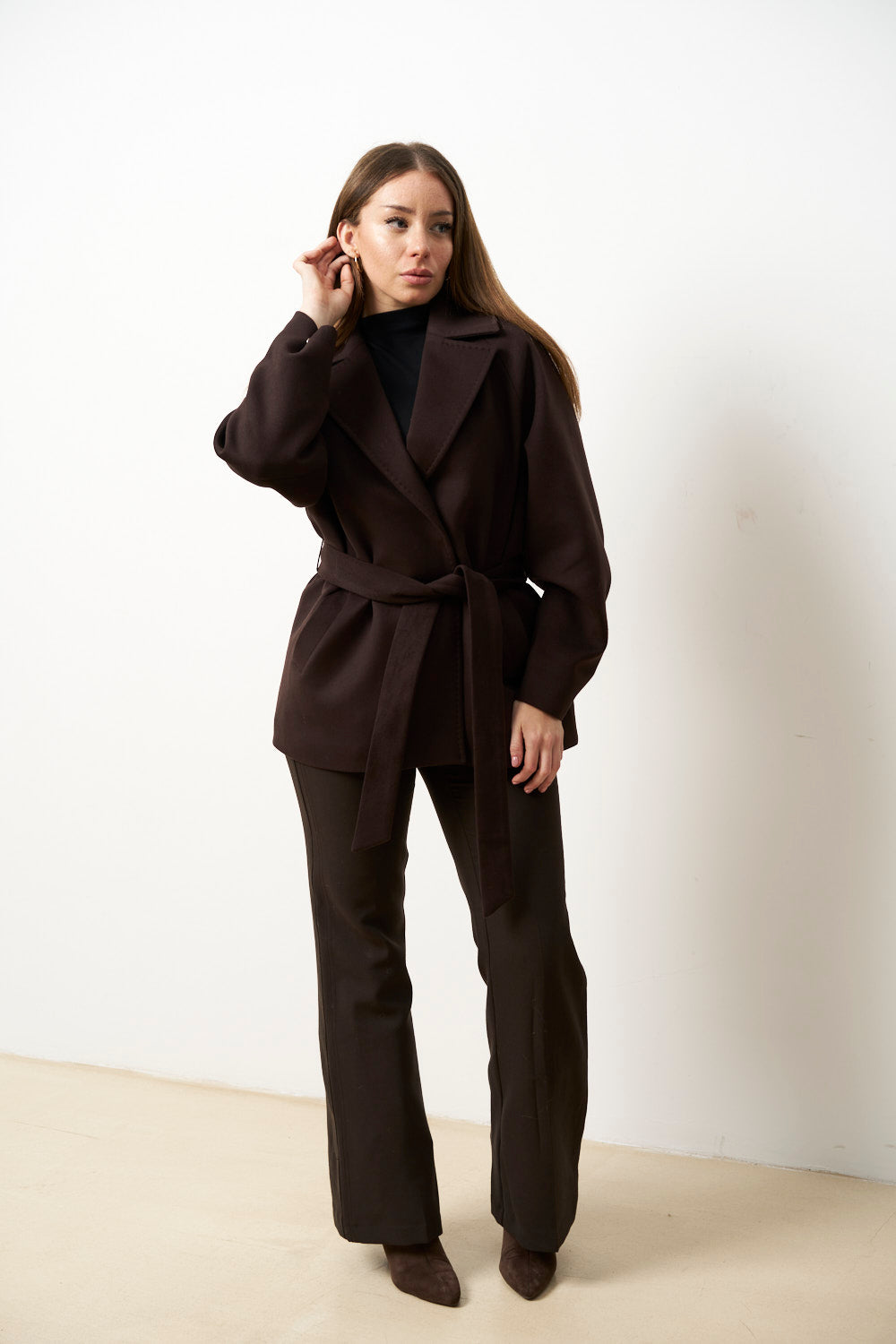
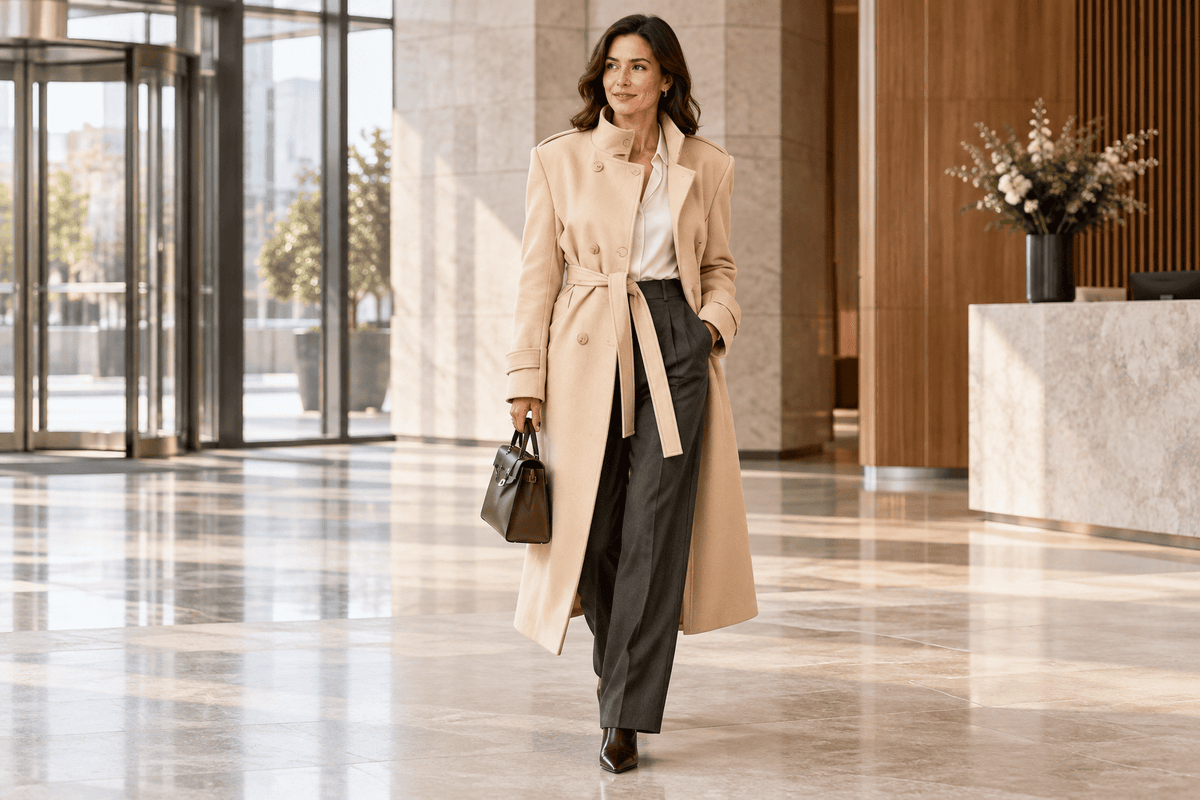
In contrast, the flexible style maintains a professional look but introduces comfortable materials, varied colors, and pieces that allow for natural movement. Relaxed does not mean sloppy. For example, high-waisted tailored trousers, a fine merino wool sweater, and a camel coat create a professional outfit without the rigidity of a full suit.
Materials play an essential role in 2026. Fluid, breathable, and sustainable fabrics are preferred, which sit beautifully on the body and last through a long workday. Neutral colors remain a solid foundation, but are often complemented by subtle chromatic accents intended to bring freshness to the outfit.
How to adapt office style to the company culture
The concept of corporate fashion is much more flexible in 2026. Most companies adopt an evolved business casual style, which allows for smart combinations between classic pieces and modern elements. Observe how colleagues dress and adjust your style according to the company culture. Better slightly too elegant than insufficiently formal.
Since there is no standard definition of business casual style, it differs from one company to another, from one organizational culture to another. The industry you work in influences your clothing choices. Analyze how other employees tend to dress, especially if you have recently joined the company, to better understand what attire is accepted.
A woman working in an office environment must inspire professionalism, but also approachability. Outfits that are too rigid can seem outdated, while those that are excessively relaxed can send the wrong message. The secret lies in visual balance: well-thought-out cuts, quality materials, and carefully chosen details.
The company's internal rules take precedence over general recommendations. A presentation, a negotiation, or an interview may require a higher level of formality than an ordinary day. Take care of your clothes and accessories. A clean, ironed outfit with polished shoes and a well-maintained bag conveys professionalism.
Types of office outfits for different professional environments

Business outfits for women for corporate environments
Conservative corporate environments demand the highest level of clothing formality. Fields such as law, banking, and consulting require wearing a classic suit, consisting of either trousers and a blazer or a skirt and a blazer, along with a simple shirt. Formal business attire (Boardroom Attire) is the standard for meetings with executive management and top business events.
The suit must be made of premium materials, such as wool, cashmere, or silk blends, in an impeccable cut. The color palette remains sober: black, charcoal gray, navy blue, and beige are safe choices. The "power dress," or a structured dress worn with a blazer, offers an elegant alternative to the classic suit. Footwear should be classic, leather, with a closed toe and a modest heel between 3 and 7 centimeters.
Business casual outfits for women for startups and creative companies
Business casual balances traditional business attire with a more relaxed style suitable for the office. This dress code gained popularity in the 80s and 90s, especially in companies in Silicon Valley, where creativity takes precedence over conformity. Thus, business casual environments allow for the expression of personality through more relaxed outfits, while maintaining a professional look.
Chinos, high-waisted trousers, or high-quality jeans in dark shades, without rips, can be combined with an elegant blouse and a loose-fitting blazer. Skirts that reach the knee, casual and formal tops complete the options.
A leather jacket with a clean cut can complete a business casual outfit, especially in creative industries. The blazer can be replaced with an elegant cardigan or a quality sweater. Footwear includes loafers, quality ballet flats, chunky-heeled ankle boots, or even minimalist sneakers, depending on the company culture.
Office casual outfits for ladies for freelancers and remote work
Casual style is the most relaxed of the dress codes, allowing the greatest freedom. For remote activities and video calls, the upper part should remain neat: a shirt, a cardigan, or a fine sweater conveys professionalism. Quality materials, such as cotton, wool, viscose, or linen, provide comfort and a neat look.
Relaxed does not mean sloppy. Differentiate the comfort of clothes for sleeping or sports. Elegant trousers, midi skirts, or chinos ensure a professional presence, even for unscheduled meetings. Discreet accessories, such as fine jewelry and a structured bag, complete the outfit.
How to choose the right style for your industry
The industry influences clothing choices. In legal, financial, and consulting, formality remains high, requiring suits and structured dresses. Marketing, design, and technology allow for business casual or creative styles, with relaxed blazers, tailored trousers, and subtle prints. Entrepreneurship requires adaptation depending on clients and the day's activities. Professions with frequent travel require comfortable, durable pieces that allow for adding or removing layers.
Essential pieces for a modern office wardrobe and professional outerwear

A functional office wardrobe is built from pieces compatible with each other, which allow for the creation of several outfits without constant purchases. Each element must be chosen according to the professional environment, local climate, and activities specific to your schedule.
The versatile blazer
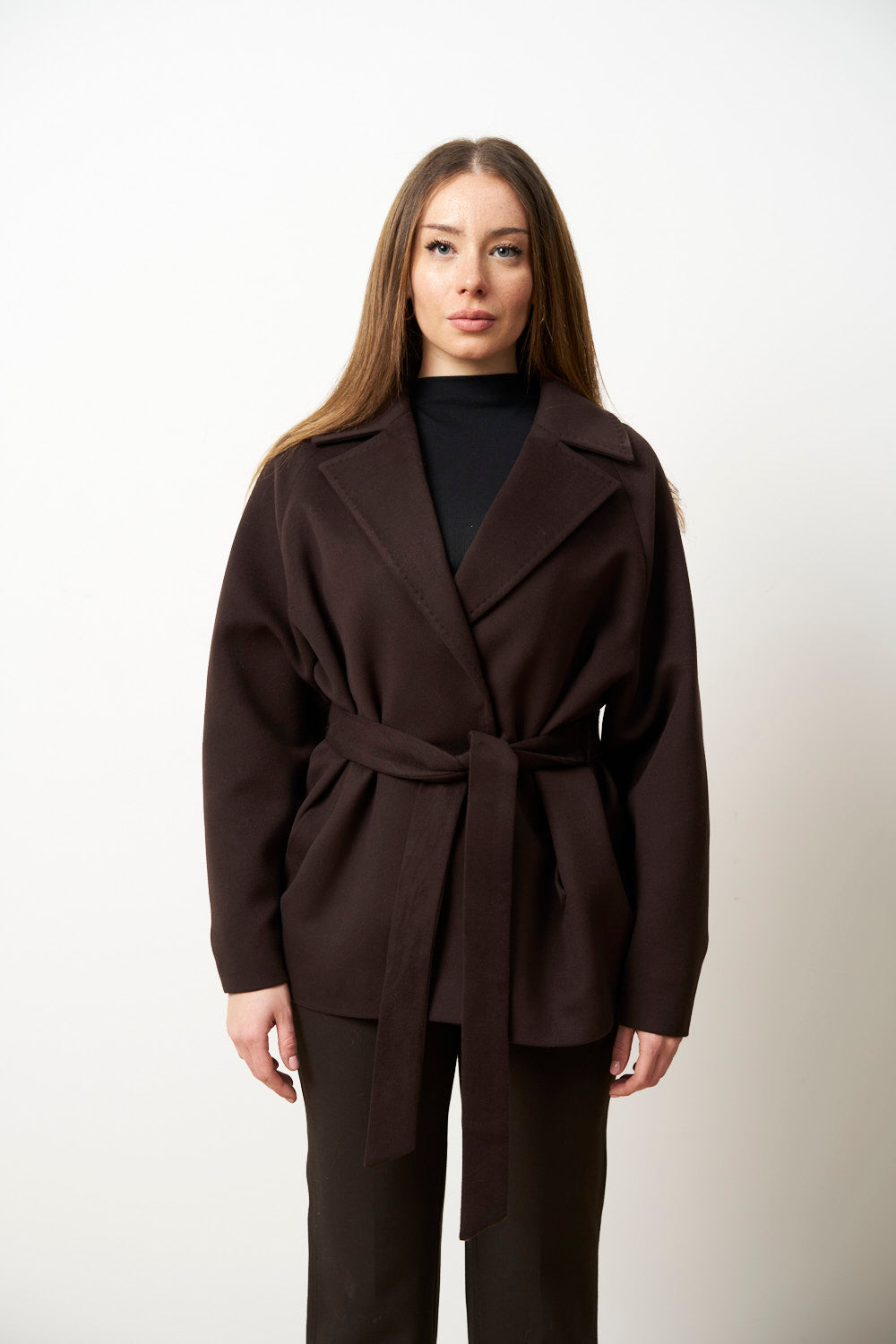
The blazer remains a central piece for most professional environments. The cut determines versatility: a fitted blazer highlights the waist and works in formal contexts, the straight one offers a clean and modern line, and the relaxed oversized one fits creative offices. Check how the shoulders fall, the length of the sleeves, and how it closes at the bust. A blazer that requires constant adjustments becomes impractical throughout the day. Initially choose a shade that integrates easily: navy blue, gray, or camel allow for varied combinations with the rest of the wardrobe.
Office trousers and skirts
Office trousers include straight, tapered, or wide-leg cuts, with the choice depending on body proportions and professional context. The correct size matters more than following a popular trend. Office skirts vary from the pencil model, which follows the body line and stops at the knee, to the A-line skirt, which offers freedom of movement, or the contemporary midi skirt. Classic materials such as wool, heavy cotton, or tweed provide structure, while elastic jersey or fine knits add comfort. Check the behavior of the material when sitting down and the freedom of movement it allows.
Shirts, blouses, and fine knits
Shirts and blouses express elegance through fluid lines and selected fabrics that naturally enhance the silhouette. The collection includes both essential models and sophisticated interpretations. Shirts bring structure and clarity to outfits, while blouses offer suppleness and versatility. Lightweight materials ensure comfort throughout the day, and discreet details add personality without visual clutter. Fine knits made of merino wool or cashmere complete the middle layer, allowing for fluid transition between seasons.
Office dresses
Well-chosen office dresses offer more than just an outfit suitable for the office. They offer freedom of movement, comfort throughout the day, and a feminine appearance without seeming rigid. Each piece must be thought out with attention to material, cut, proportions, and the way it sits on the body. A straight, wrap, or shirt dress can be adapted by adding a blazer, a belt, or by changing footwear. Models made of compact jersey with virgin wool, textured fabric, or viscose blends offer structure without rigidity.
The wool or cashmere coat
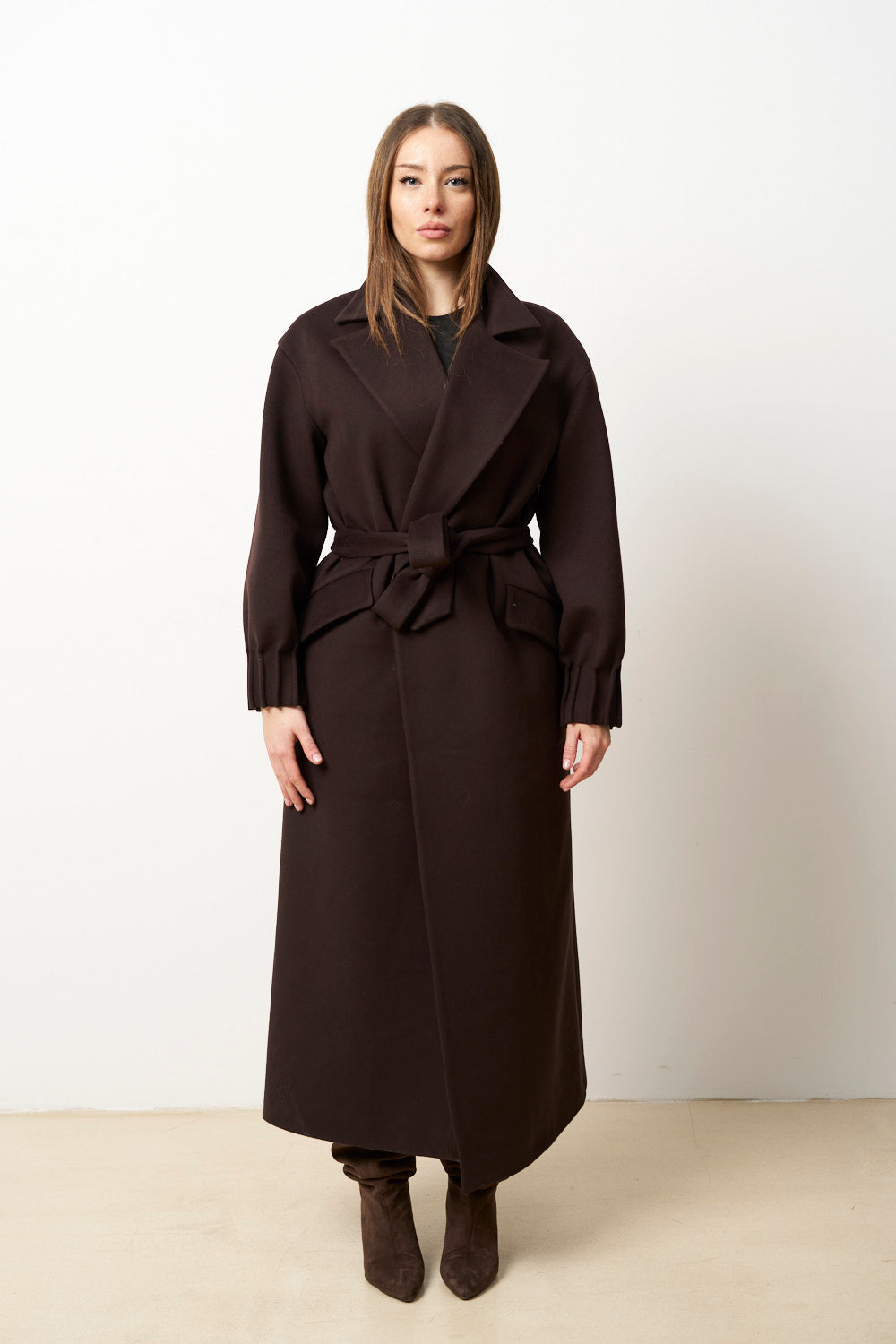
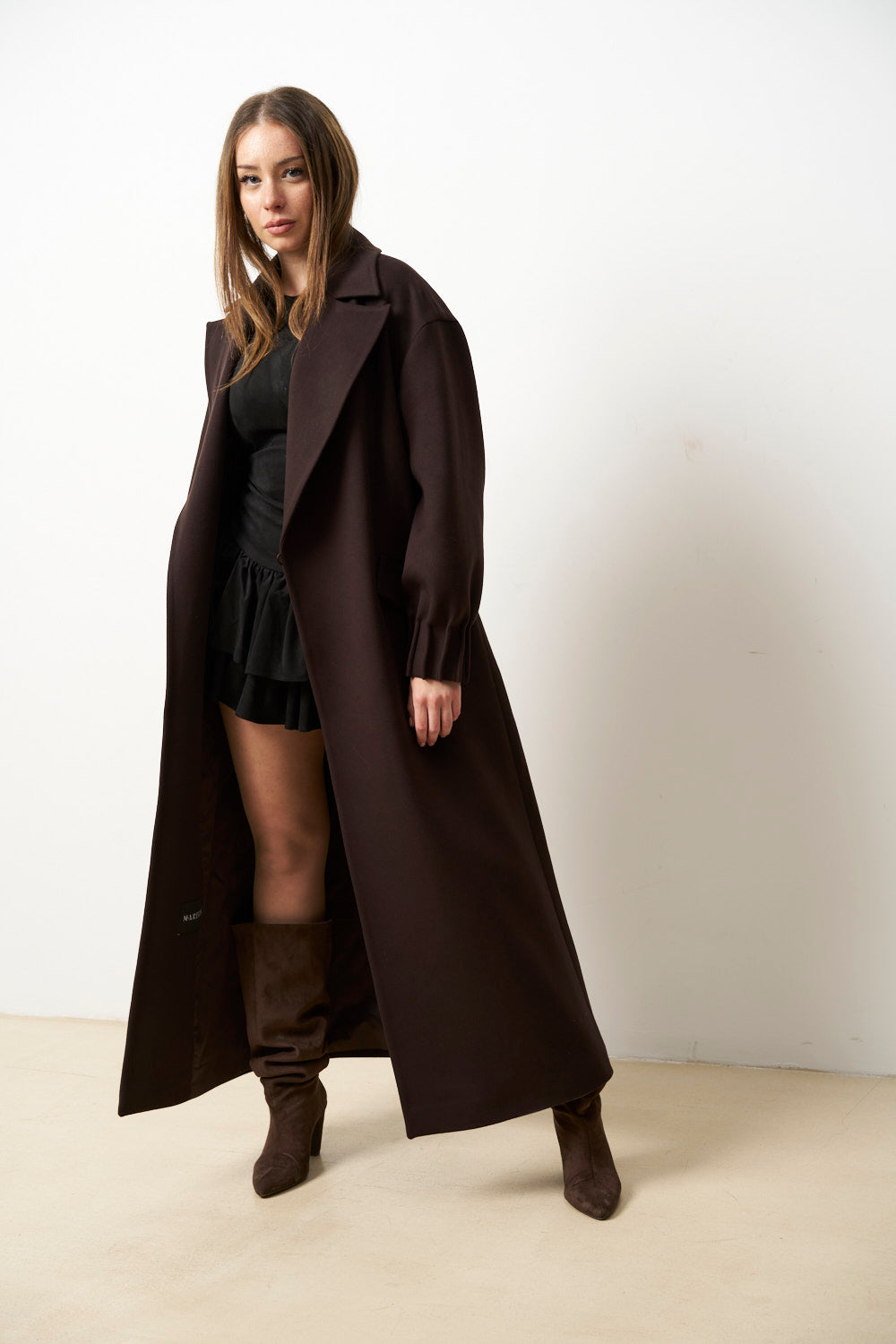
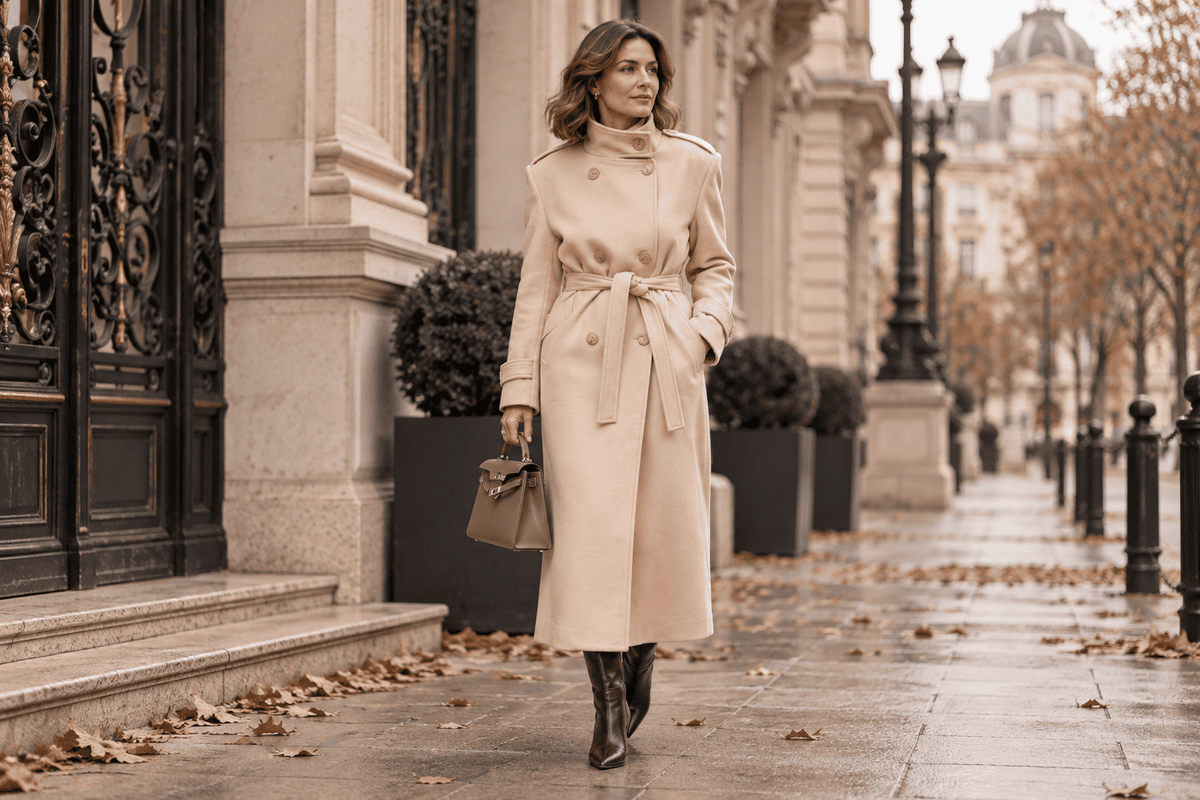
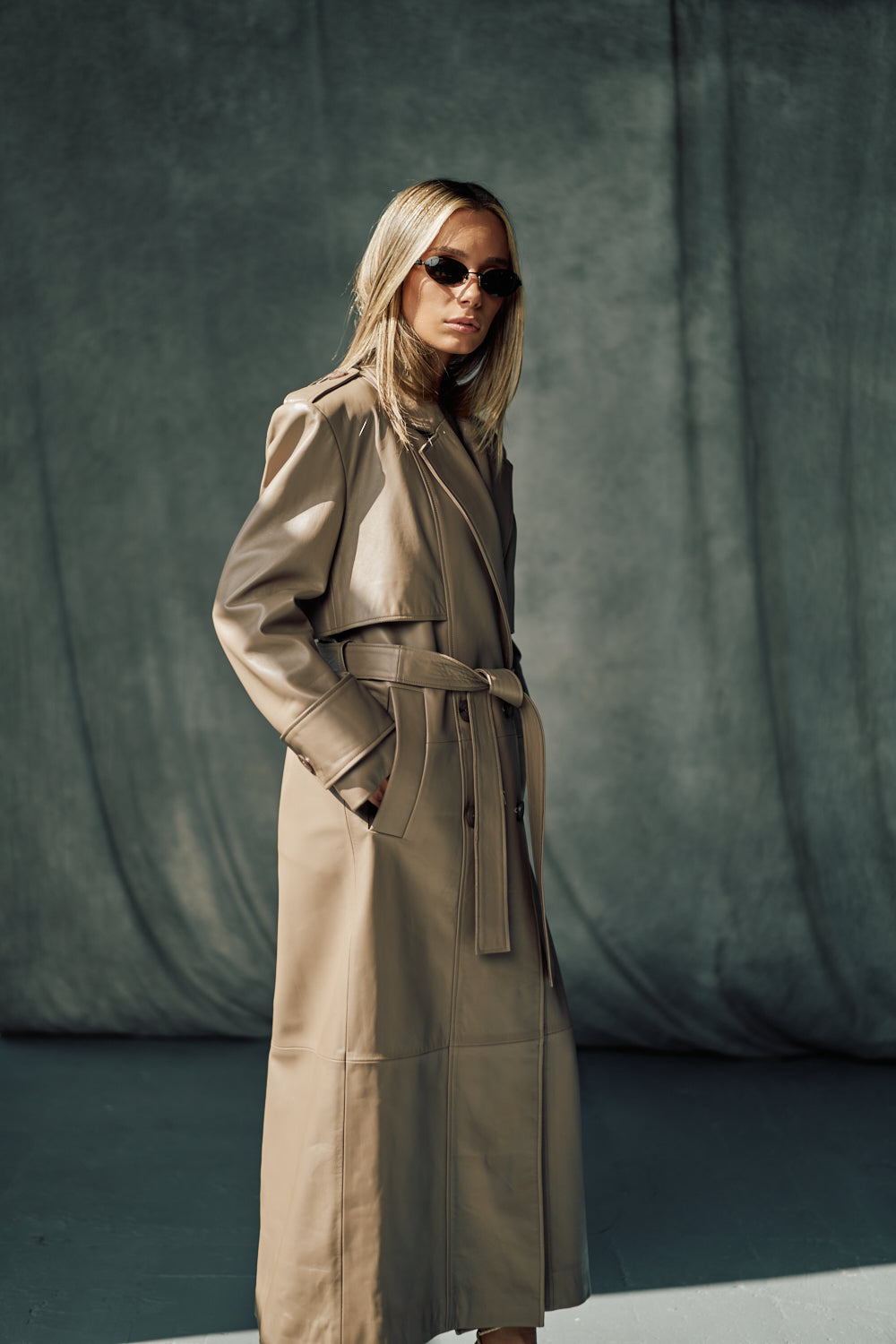
The coat represents the visible part of your professional outfit in the cold season. The premium blend of wool and cashmere offers superior thermal insulation, retaining body heat and ensuring comfort on cold winter days. The cut should be chosen so that the blazer or knit fits underneath without distorting the shoulder line. Midi or maxi length protects against the cold, while colors like camel, gray, navy blue, or black integrate easily into the existing wardrobe. The durability of high-quality materials makes this investment last for years.
A leather jacket with a clean cut
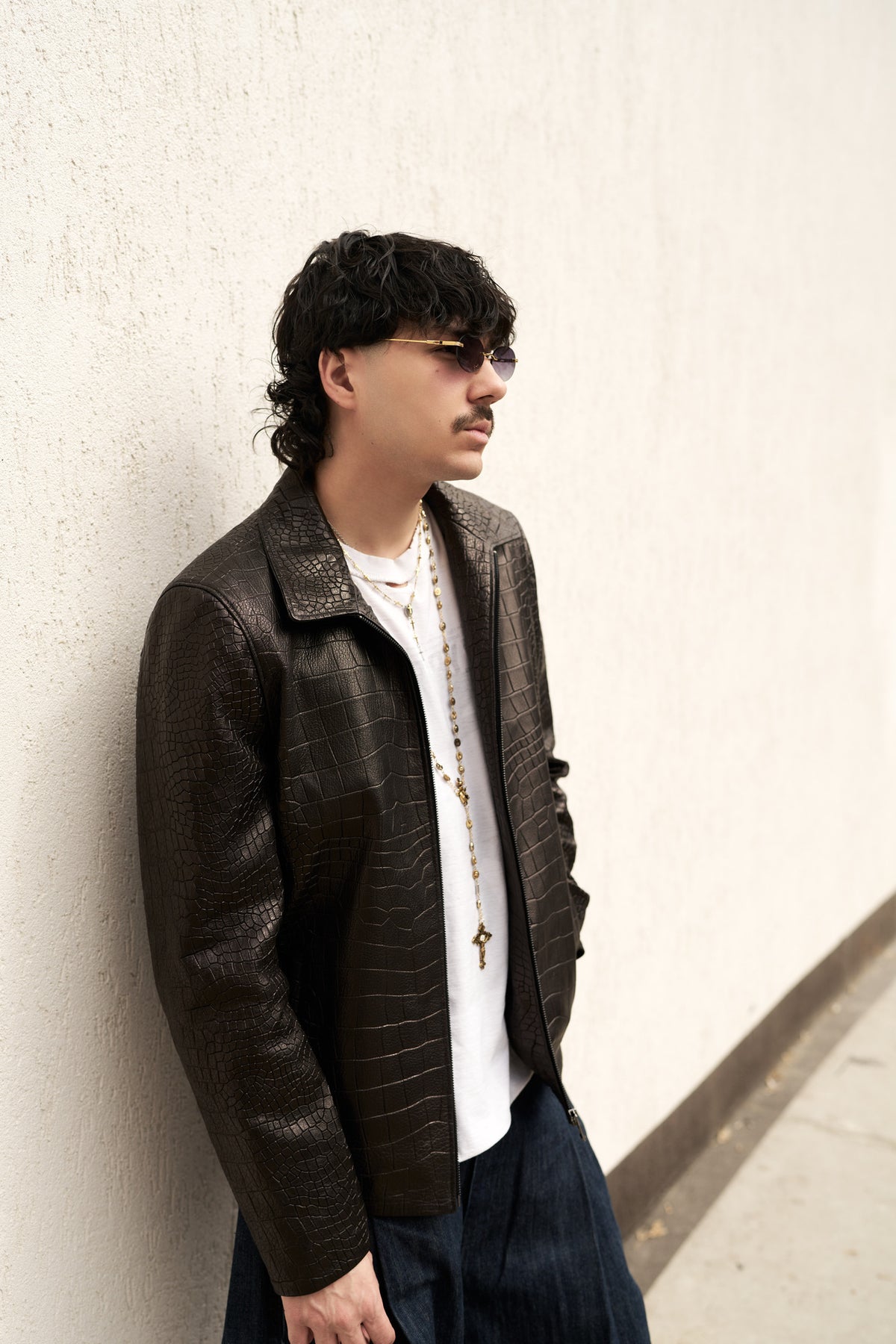
Leather brings texture, presence, and sophistication effortlessly. A leather jacket with a clean cut completes business casual outfits, especially in creative industries. Models without excess zippers or decorative applications combine well with tailored trousers, midi dresses, or simple shirts. Nappa leather maintains a clean and versatile line, suitable for urban day outfits. Smooth finishes and discreet design details enhance the outfit without losing natural ease.
How to create winter office outfits for ladies without sacrificing style

The cold season requires a different approach to professional attire. Low temperatures, humidity, and constant transition between outside and inside create practical challenges that require planning.
Layering for warmth and elegance
Layering is the most effective method of creating office outfits that provide thermal comfort without visual clutter. The base layer includes a shirt or blouse made of fine materials that allow the skin to breathe. The middle layer adds thermal insulation through a wool sweater or cardigan, while the wool blazer keeps the professional look. The coat or jacket acts as a barrier against wind and precipitation.
Choose trousers made of thick fabric, wool skirts, or knitted dresses for additional thermal comfort. Avoid excessively thick layers that limit movement and change the natural body proportions. A fine sweater under the blazer provides warmth without excessive bulk.
Materials and textures for the cold season
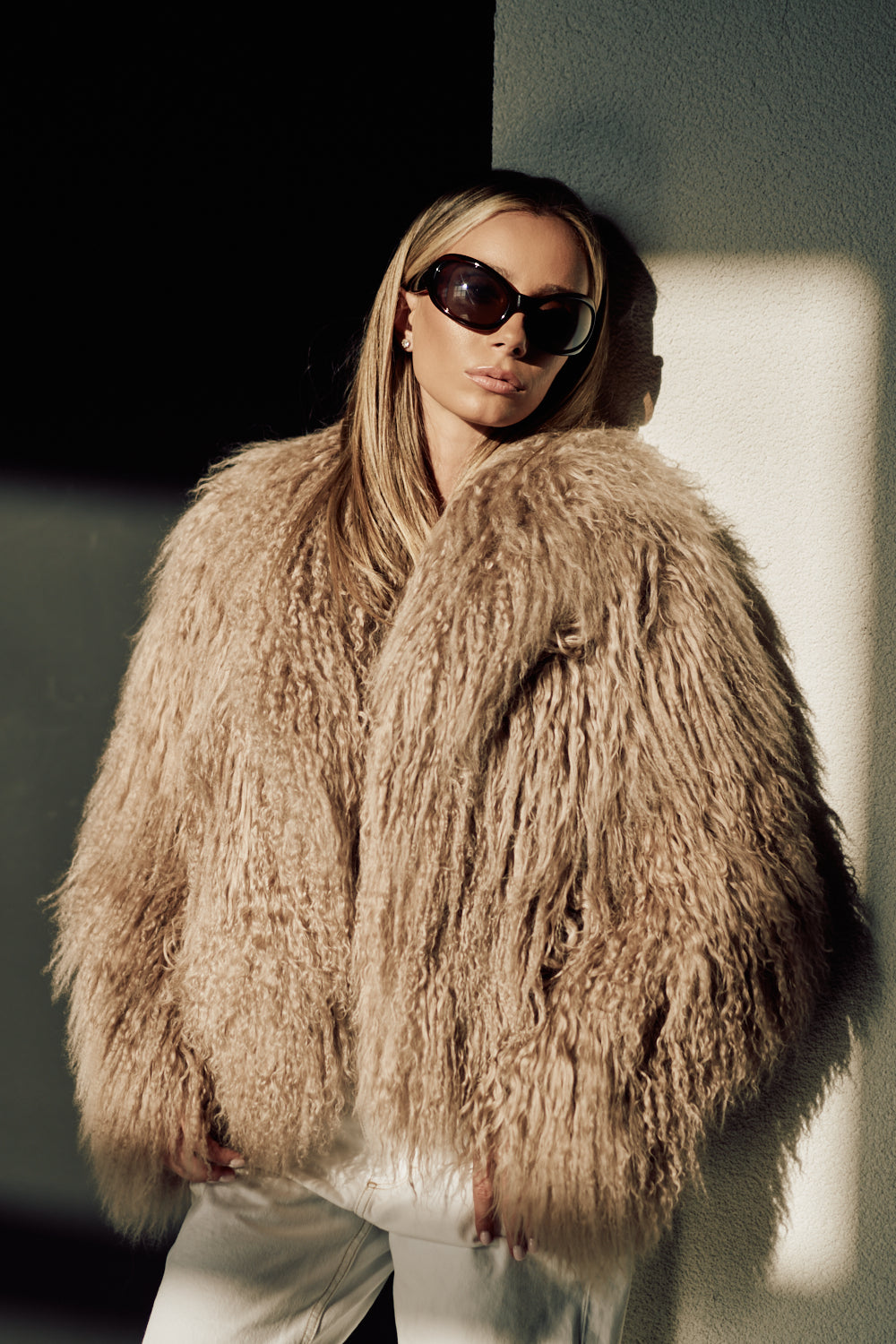
Wool and cashmere offer superior thermal insulation, retaining body heat on cold winter days. Velvet-look fabric adds elegance and refinement, while viscose ensures breathability and moisture absorption. Elastic materials allow for the freedom of movement required during work hours.
Combining matte, smooth, and structured textures prevents monotony. For example, trousers made of compact fabric with a silk blouse and a wool blazer create visual depth. Elastic velvet adds a touch of luxury for more formal outfits.
Winter accessories
A cashmere scarf, leather gloves, and a structured bag complete the outfit with elegance. Tights become essential for comfort and style when wearing dresses or skirts. Matte tights with medium density match minimalist dresses and midi skirts, offering an elegant and discreet look. For low temperatures, thick and opaque tights provide warmth without compromising the professional look.
Footwear should be chosen according to the weather: high leather boots, heeled ankle boots, or closed shoes with a thick sole offer protection and style.
Transition from outside to inside
The outfit should look complete after removing the coat. Heated offices require layers that are easy to remove; thus, the blazer can become the main piece. Avoid very thick sweaters if the indoor temperature is high. Check the behavior of the materials when sitting down and the freedom of movement they allow throughout the day.
How to add personality without crossing professional boundaries

Colors and prints suitable for the context
Choosing the right pieces for the office does not mean monotony, but balance between elegance and practicality. Neutral shades such as black, navy blue, gray, and beige remain the foundation for most corporate environments. In addition, the introduction of shades such as camel, olive green, burgundy, light gray, or dusty blue brings variety and freshness to office outfits. A color accent through a colorful blouse or a vibrant accessory can bring personality to the outfit without violating the formal dress code.
Discreet prints, such as fine stripes, small checks, or polka dots, add interesting dynamics to the outfit but maintain a formal and professional look. Tones of burgundy, navy blue, emerald green, or dusty plum can be introduced subtly through blouses, blazers, or accessories, offering a sophisticated look.
Accessories that make the difference
Minimalist accessories play an important role in modernizing office outfits. Discreet earrings, simple-design watches, and fine jewelry harmoniously complete outfits without cluttering them. A statement necklace, a pair of unique earrings, or an elegant watch can transform even the simplest outfit. The key is to choose accessories that complement the outfit without overloading it too much.
Structured bags in neutral colors are essential in an office look. Silk scarves with a classic print can be worn around the neck, tied to the bag, or used as a color accent. For a balanced office style, choose one or two accent elements.
How to avoid monotony in the office wardrobe
Modernizing the office style does not involve completely changing the wardrobe, but updating it with items that bring freshness and balance. By introducing a few well-chosen pieces, any office wardrobe can take on a contemporary look.
Common mistakes to avoid
Avoid massive jewelry, those with flashy stones, or accessories that make noise during movement. Excessive accessorizing can ruin an outfit. Stained or wrinkled clothes do not offer the desired result, no matter how refined the outfit is.
Conclusion

A functional office wardrobe is built from mutually compatible pieces that allow for the creation of multiple outfits without constant purchases. Essentially, professionalism does not depend on rigidity, but on well-chosen cuts, quality materials, and adaptation to your company culture. Each piece should allow for natural movement and inspire confidence throughout the entire day. Personality is expressed through subtle colors, varied textures, and well-chosen accessories, not by abandoning elegance. Choose pieces that work in your professional environment and build a versatile wardrobe that represents you naturally.